Anji White Tea Harvest in Full Swing as Industry Thrives in Zhejiang
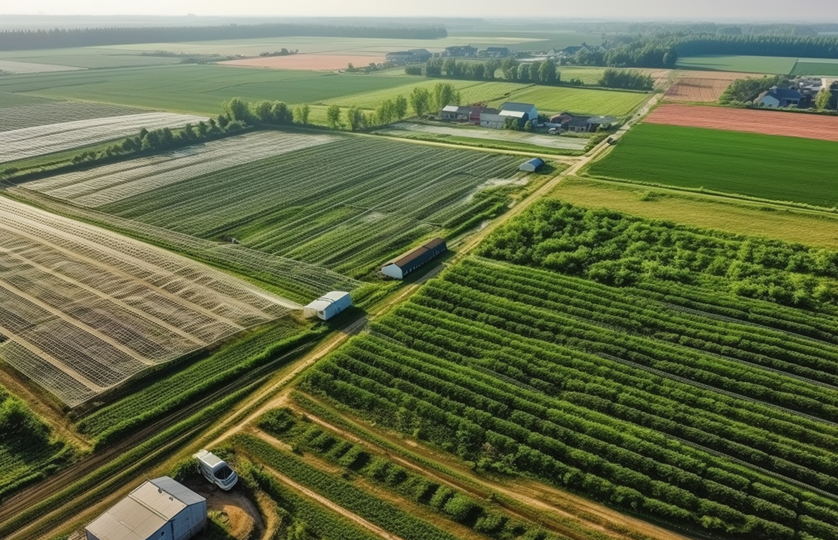
According to Xinhua News Agency reports on 9 April 2026, the 210,000 mu of Anji white tea plantations in Anji County, Zhejiang Province—China’s premier white tea-producing region—have entered the peak harvest period. The annual spring picking, which began in late March, underscores the sector’s robust growth, with 2025 industry data revealing a comprehensive economic and social impact across the county.
Last year, Anji’s white tea output reached approximately 2,630 tonnes, driving per capita income growth of over 10,000 yuan for local farmers. The sector’s success extends beyond cultivation, as tea-themed tourism welcomed more than 5 million visitors, propelling the entire industry chain’s output value past 7 billion yuan. This expansion aligns with China’s broader tea industry momentum, which the China Tea Marketing Association estimates will reach a total industrial chain scale of 1.13 trillion yuan in 2025.
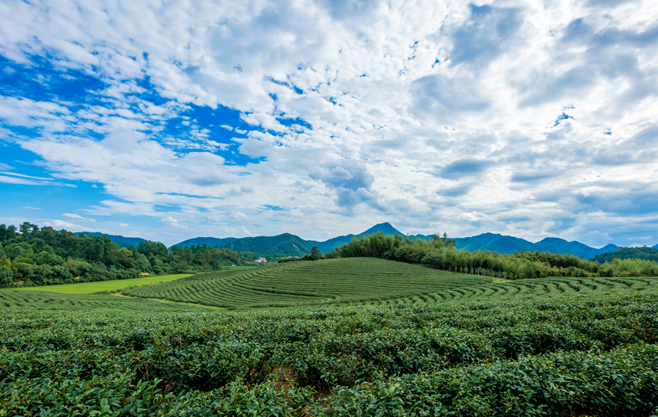
Situated in northern Zhejiang, Anji has developed its signature tea into a model of integrated agricultural and cultural development. The county’s tea bushes, covering rolling hills, now form the core of a diversified “white tea plus” economy that combines cultivation, processing, cultural experiences and eco-tourism. Key developments include themed homestays, tea-picking experiences, and innovative products such as white tea-infused skincare and beverages, with over 50 derivative items generating annual revenue exceeding 1.2 billion yuan.
Anji white tea’s reputation rests on distinctive characteristics: its tender leaves undergo a natural whitening process at temperatures between 19°C and 23°C, producing a bright, emerald brew with a delicate, enduring fragrance and clean, sweet taste. Designated as one of China’s first EU-protected geographical indication products in 2021, the tea’s quality has gained international recognition. Its production techniques also form part of the “Traditional Tea Processing and Associated Social Practices” inscribed on UNESCO’s intangible cultural heritage list in 2022.
“The tea industry represents our most successful example of transforming green mountains into golden mountains,” stated Liu Bin, Secretary and Director of Anji County Bureau of Agriculture and Rural Affairs. “Each spring, over 20,000 seasonal workers join local farmers in the harvest, creating vibrant economic activity across the region.”
The sector’s development has accelerated following the December 2025 opening of the Husu High-Speed Railway, which reduced travel times from Shanghai to under one hour. This improved connectivity has strengthened Anji’s position as a leading tea-tourism destination, with the 7th China Tea Tourism Conference held in March 2026 further boosting its profile. The event introduced “Top Ten Anji White Tea Valleys” and three cultural tourism routes designed to deepen visitor engagement.
International interest continues growing, with exports reaching Europe and North America. “European buyers particularly appreciate our tea’s purity and distinctive flavour profile,” noted Sun Xueyi, a third-generation tea producer. “We now export around 200 tonnes annually, with demand steadily increasing.”
As the 2026 harvest progresses across Anji’s landscapes, the industry demonstrates how traditional agriculture can evolve into a modern, value-added sector. What began as a local speciality has become a comprehensive industry driving rural revitalisation, cultural preservation and sustainable development—proving how a single leaf can support an entire economy.