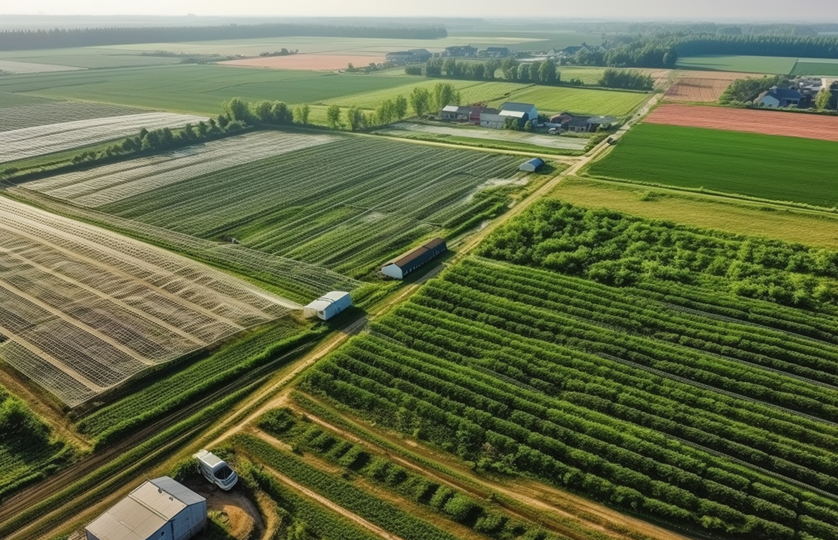
China’s Seed Industry Enters Critical Stage, Driven by Tech, Policy and Collaboration
A flourishing seed industry underpins a thriving agriculture sector. This year marks a crucial transition for China’s Seed Industry Revitalization Initiative, moving from “achieving initial results in five years” to “making major breakthroughs in ten years”. The 2026 Central No.1 Document proposes in-depth implementation of the initiative, accelerating the breeding and promotion of breakthrough varieties, and advancing the industrialization of bio-breeding.
At the recently held 2026 Seed Conference and Nanfan Silicon Valley Forum, participants offered insights on cutting-edge technological breakthroughs, industrial ecosystem construction and in-depth cooperation between enterprises and research institutions. Experts noted that facing the new global pattern of seed industry competition, China urgently needs to build an independent and controllable technological system, with all stakeholders deepening cooperation to boost the seed industry revitalization.
In Hainan, the National Modern Agriculture (Seed Industry) Industrial Park of Hainan Nanfan Seed Industry Group brims with vitality, where green tomato seedlings unfurl new leaves and vines climb trellises. A total of 1,603 high-quality new varieties from 156 domestic and foreign seed enterprises and research institutions are on display. According to China Economic Net, over 70% of China’s new crop varieties are cultivated at the Nanfan base, thanks to Hainan’s unique climate that supports year-round field breeding.
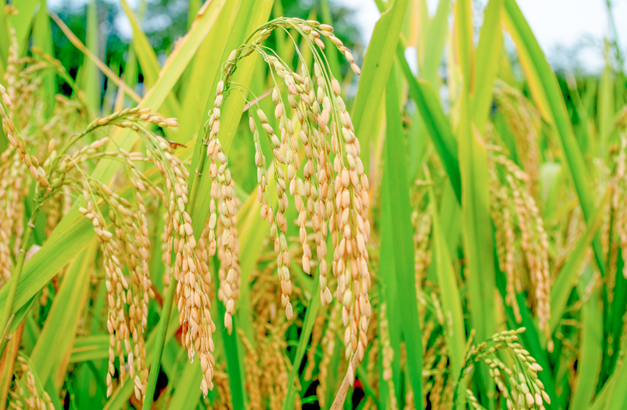
“Currently, the ‘Nanfan Silicon Valley’ has built the largest and most comprehensive bio-breeding innovation platform in China, with the annual output value of Hainan’s Nanfan seed industry exceeding 20 billion yuan in 2025,” introduced Zhang Qiaohui, deputy director of the Scientific Research Management and Industrial Development Department of Hainan Nanfan Administration Bureau. To address challenges in traditional breeding, Hainan launched the seed CRO (Contract Research Organization) model in 2023, reducing the cost of cultivating a conventional variety from over 300,000 yuan to less than 100,000 yuan.
Digital intelligence is also empowering the industry. China’s world-first intelligent breeding robot “Jier” has completed practical tests in Huairou Science City, Beijing, and operates stably in commercial greenhouses. “It can accurately identify flowers and complete cross-pollination gently with its robotic arm, cutting tomato breeding costs by over 25%,” said Zhang Tinghao, PhD from the Institute of Genetics and Developmental Biology, Chinese Academy of Sciences.
Cooperation between enterprises and research institutions has yielded remarkable results. Data shows that enterprises lead over 60% of scientific and technological research tasks in the seed industry, with R&D investment of crop-type enterprises doubling that in 2020. Yang Xueli, deputy general manager of Henan Yuyu Seed Industry Co., Ltd., said the company’s corn variety “Huangjinliang MY73” has been planted on over 20 million mu annually, ranking first in China for two consecutive years.
Zhang Hongyu, president of the China Agricultural Risk Management Research Association, emphasized the need to create a sound development environment for the seed industry. “China’s seed enterprises are undergoing positive structural changes. They should not only grow into ‘big trees’ themselves but also help nurture a ‘forest’ of innovation,” he said. With policy support, technological empowerment and in-depth collaboration, China’s seed industry is striding toward high-quality development, safeguarding national seed and food security.