Guava, Once a Regional Fruit, Becomes a Rural Revitalization Driver via New Tea Drinks
In spring, South China’s Lingnan region is filled with the sweet fragrance of guavas, as pink fruits hang heavily on the branches. Once a little-known regional fruit only popular in South China, guava has now stepped out of its producing areas and gained nationwide popularity driven by the new tea drink market. It has become a characteristic and advantageous agricultural product that boosts farmers’ income and supports rural industrial revitalization, writing a vivid practice of "a small fruit driving a big industry".
As a characteristic fruit in southern China, guava is widely cultivated in Guangdong, Guangxi, Fujian, Hainan, Yunnan and other provinces and regions. Red-fleshed guava is unique for its pink flesh, rich fragrance and soft taste. For a long time in the past, guava was mainly consumed fresh locally in South China, with limited market recognition and narrow sales channels, making it a typical regional niche fruit with difficulty in expanding industrial scale and increasing added value.
Since 2022, with the in-depth development of seasonal fresh fruits by the new tea drink industry, guava has ushered in a turning point in industrial development. According to Global Network, niche fruits such as guava, roxburgh rose and wampee have become popular raw materials for new tea drinks, with the search volume of "Minnan guava and wampee king" surging 13 times year-on-year since 2025.
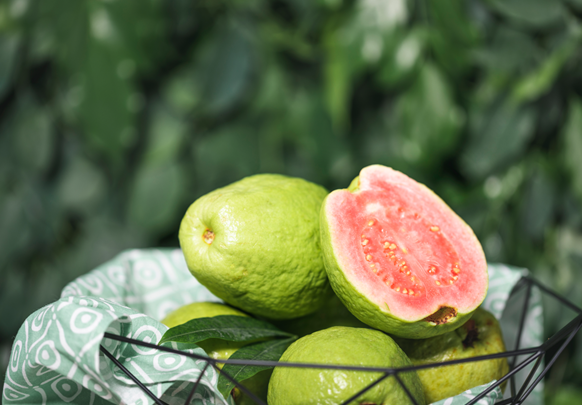
Heytea, a leading new tea drink brand, has focused on the guava category for five consecutive years, launching a variety of guava-flavored drinks covering fresh fruit tea, tea special blends and other forms. It has also extended guava to multiple scenarios such as bottled drinks, baking and ice cream, turning guava from a local specialty into a "standard raw material" in the national tea drink industry.
To ensure a stable and high-quality supply of fresh fruits, cooperative enterprises have gone deep into major guava producing areas and established a strict raw material standard system. Aiming at the post-ripening characteristics of guava, multiple acceptance thresholds have been set from picking time, skin color, fruit aroma to sugar content indicators. Cold chain logistics is adopted throughout the process to retain the fresh flavor and nutrition of the fruits to the greatest extent. Meanwhile, a twice-a-year fresh fruit relay model is implemented, with white-fleshed and red-fleshed guavas listed in staggered peaks to achieve stable annual supply.
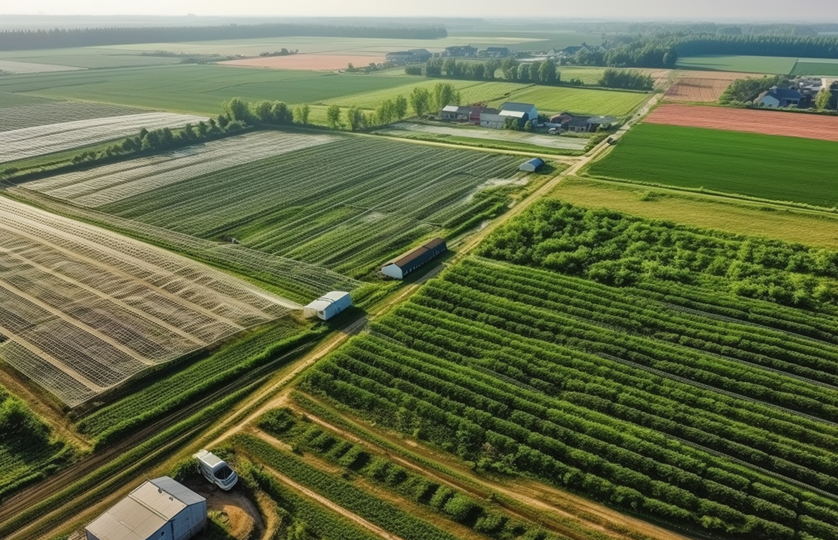
Driven by stable market demand, guava planting has gradually become standardized and green. Farmers in major producing areas carry out unified cultivation and management in accordance with raw material quality requirements, promoting green pest control and scientific water and fertilizer technologies to improve fruit consistency and safety. The whole industrial chain from the field to the terminal has developed collaboratively, driving the growth of supporting industries such as sorting, packaging and cold chain logistics in producing areas, and providing nearby employment opportunities for rural laborers.
The popularity of guava is a vivid example of consumption upgrading driving agricultural quality improvement and brand innovation boosting farmers’ income. As the industrialization level of characteristic fruits continues to improve, more high-quality local agricultural products like guava will release greater potential in the integrated development of the primary, secondary and tertiary industries, becoming solid "get-rich fruits" on the road of rural revitalization.