Yazhou Bay National Laboratory Launches Guiyang Grain and Oil Innovation Platform
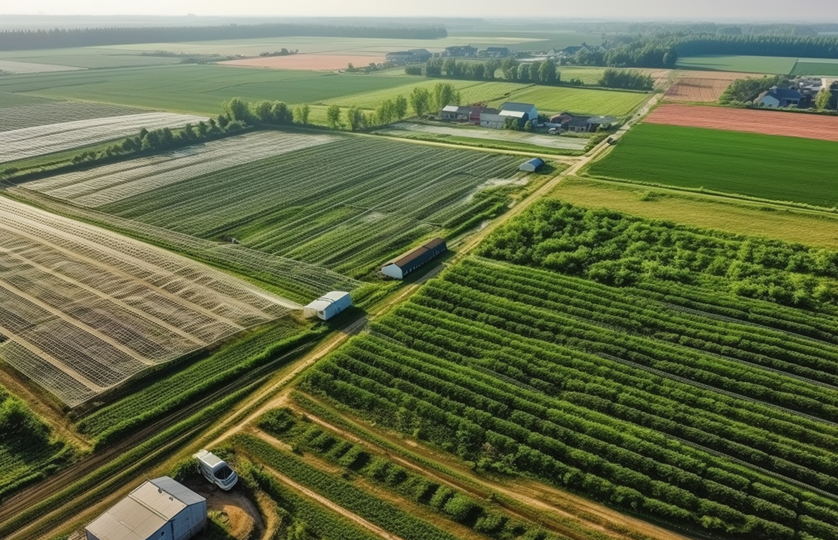
In mid-April, central Guizhou is thriving with vitality. In Pugong Village, Machang Town, Gui'an New Area, Guizhou Province, a 501-mu breeding test field is lush and green: rapeseed has entered the pod maturity stage with plump grains, while wheat is in the waxy ripening stage with large ears and uniform grains, promising a bumper harvest. Not far away in Maochang Village, Gaofeng Town, an 818-mu Phase II base is under orderly land leveling, with construction machinery operating back and forth to expand space for seed industry innovation.
On April 17, the Guiyang Grain and Oil Crop Innovation Platform of Yazhou Bay National Laboratory was officially unveiled in Pugong Village. As the first grain and oil crop innovation platform deployed by Yazhou Bay National Laboratory in southwest China and the first of its kind nationwide, it marks the in-depth linkage of national, provincial and municipal agricultural scientific research forces, focusing on germplasm resource creation and grain and oil variety breeding to usher in a new chapter for high-quality development of the seed industry in southwest China.
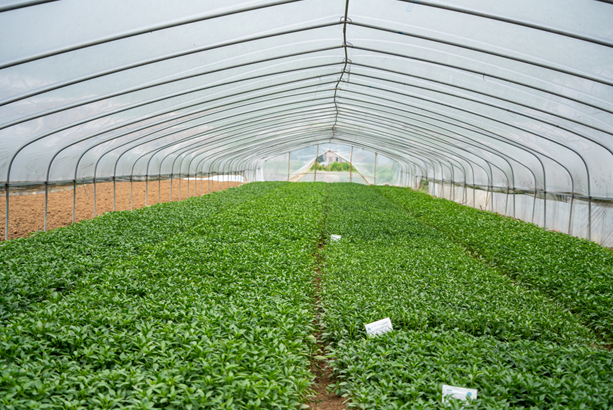
Xinhua News Agency reported that Yazhou Bay National Laboratory is the only national-level laboratory in China’s agricultural field, gathering the strength of academicians and experts such as Li Jiayang and Qian Qian, and forming 10 research teams including corn, wheat and rapeseed to tackle the "bottleneck" problems in the seed industry. In November 2024, the laboratory signed an agreement with Guizhou to build a 501-mu breeding test field, carrying out breeding research on germplasm resource introduction, test matching and material observation for corn, rapeseed and wheat.
Over the past year, the platform has planted a total of 27,800 copies of various grain and oil crop genetic materials and successfully selected 4,003 elite backbone materials with good traits, laying a solid foundation for cultivating breakthrough grain and oil varieties. The platform has three clear and practical key breeding directions: corn focuses on high-yield breakthrough varieties with over 800 kg per mu; rapeseed targets early-maturing, high-yield and high-oil varieties resistant to clubroot with a growth period within 180 days; wheat aims for local planting to ensure raw material supply for Maotai Distillery’s koji making.
"Our team has been stationed in the fields for a long time, tracking the whole process from sowing to harvest and writing papers on the land," said Fang Jun, chief scientist of the Rice Innovation Team of Yazhou Bay National Laboratory. He noted that sorghum used in sauce wine brewing is mostly local varieties in Guizhou, while wheat has long relied on external supply, so promoting local wheat planting for koji making is an important mission of the platform.
The Phase II base in Maochang Village is accelerating construction, focusing on six major projects including a breeding innovation center and a bio-breeding laboratory. "After the completion of the Phase II project, we can not only add rice breeding research but also settle the national crop variety testing backbone network in Guizhou," said Yue Bing, Director of Guiyang Municipal Bureau of Agriculture and Rural Affairs.
The cooperation between Guizhou and Yazhou Bay National Laboratory is a mutually beneficial two-way effort. Gao Jie, Director of the Seed Industry Management Department of Guizhou Provincial Department of Agriculture and Rural Affairs, said Guizhou will build itself into an important national output base for germplasm resistance.