Gengma’s Sugarcane Industry Transforms into Green Circular Economy with Billion-Yuan Output
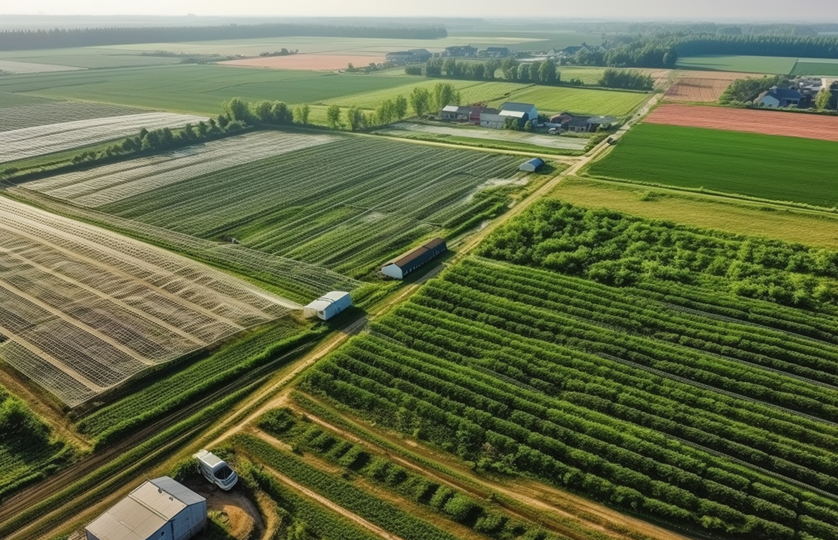
In Gengma Dai and Wa Autonomous County, Lincang City, Yunnan Province, located on China’s southwest border, vast sugarcane fields roll like green waves in the countryside. Inside the factories, the sweet aroma of sugar syrup fills the air, with crystal-clear sugar grains melting instantly in the mouth, alongside eye-catching “sugarcane paper”, “sugarcane wine” and “sugarcane tableware”. These are not only the starting point of a “sweet cause” but also embody the remarkable transformation of a single sugarcane.
In recent years, focusing on the goal of “making full use of every part of the sugarcane”, Gengma County has introduced a full industrial chain of sugar enterprises through business-invited investment, resource-based investment and Shanghai-Yunnan cooperation. It has gradually built a green circular economy industrial chain covering sugar, wine, paper, feed, fertilizer, tableware, agents and films, forming a billion-yuan industrial cluster that enriches people and strengthens the county.
Gengma County People’s Government reports that as one of China’s 51 core sugarcane production counties, Gengma now has a sugarcane planting area of 400,000 mu, covering 23,000 households and 130,000 people, with an average sugarcane income of 7,700 yuan per farmer. The comprehensive output value of the sugarcane industry has exceeded 10 billion yuan, becoming a key pillar for rural revitalization and farmers’ income increase.
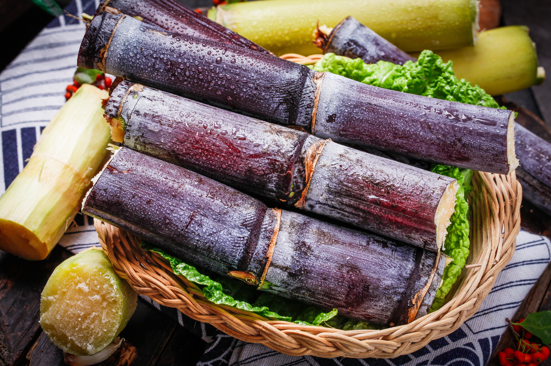
Guangxi Yangpu Nanhua Sugar Industry Group acts as the leading enterprise, building the sugar product chain. Alcohol and disinfectant enterprises use molasses as raw materials to form the molasses chain; paper and tableware enterprises rely on bagasse to build the bagasse chain; organic fertilizer enterprises use sugar-making waste to create the filter mud chain; and feed enterprises process sugarcane leaves and tops. In addition, some enterprises focus on degradable mulch films.
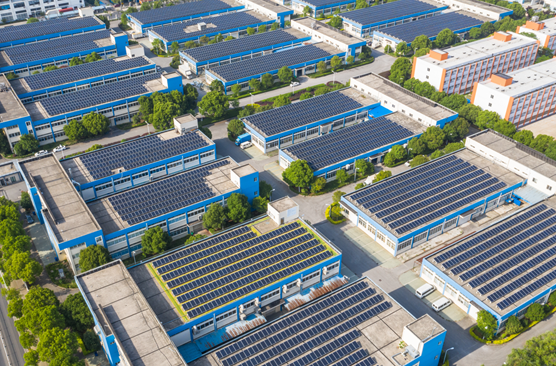
Inside the sugar pressing workshop of Gengma Nanhua Sugar Industry, the automated production line operates efficiently. Each sugarcane is turned into white granulated sugar through multiple processes including impurity removal, pressing, purification, evaporation and crystallization. Li Xiaofu, person in charge of Gengma Nanhua Sugar Industry Co., Ltd., said, “We have introduced advanced automated control systems and energy-saving equipment, increasing production efficiency by more than 30% and reducing energy consumption by over 20% compared with traditional processes.”
In the past, bagasse was either burned or discarded, but now it has been turned into treasure. In 2006, Guangxi Yangpu Nanhua Sugar Industry Group built a green factory in Gengma with an annual output of 95,000 tons of bagasse pulp. With the help of Shanghai-Yunnan cooperation in 2019, Gengma introduced Lvsaike New Materials (Yunnan) Co., Ltd. to produce bagasse moldable degradable tableware.
After technological transformation, bagasse has become environmentally friendly tableware, with the output value per ton rising from 3,000 yuan to over 10,000 yuan, and more than 95% of the products are exported to European and American markets. Tong Jun, person in charge of Lvsaike, said, “This is not only turning waste into treasure but also an upgrade in technology and concepts.”
Gengma has also promoted the transformation of sugar-making waste such as filter mud and waste liquid into fertilizer through technological innovation, which is now in short supply domestically and has been exported abroad. Wang Chunrong, person in charge of Gengma Biodegradable Materials Co., Ltd., said the company has built a production line with an annual output of 3,000 tons of fully biodegradable mulch films, covering 250,000 mu of ratoon sugarcane.
To support the industrial chain, Gengma has established multiple expert workstations and science and technology courtyards, building a technical service system of “expert teams + science and technology service teams + local talents”. Li Xiucheng, person in charge of Gengma County’s Industry and Information Technology Center, said, “Gengma’s sugarcane industry is no longer simply sugar production, but an ecological system of resource recycling.” Currently, 59 upstream and downstream enterprises have settled in the park, driving over 200 associated enterprises and more than 3,500 jobs.