Ornamental Plant to Superfood: Kale’s Remarkable Transformation in China
Recently, Sam’s Club launched an edible kale potted plant priced at 29.9 yuan, with the slogan "Plant once, eat for a year". It was sold out immediately after its launch, attracting widespread attention. Once a roadside ornamental plant and livestock feed with a purchase price of only 0.8 yuan per catty, kale has now transformed into a "superfood" on the dining table, with its price soaring to 20-30 yuan per catty, an increase of nearly 30 times. How did this humble vegetable achieve such a remarkable reversal?
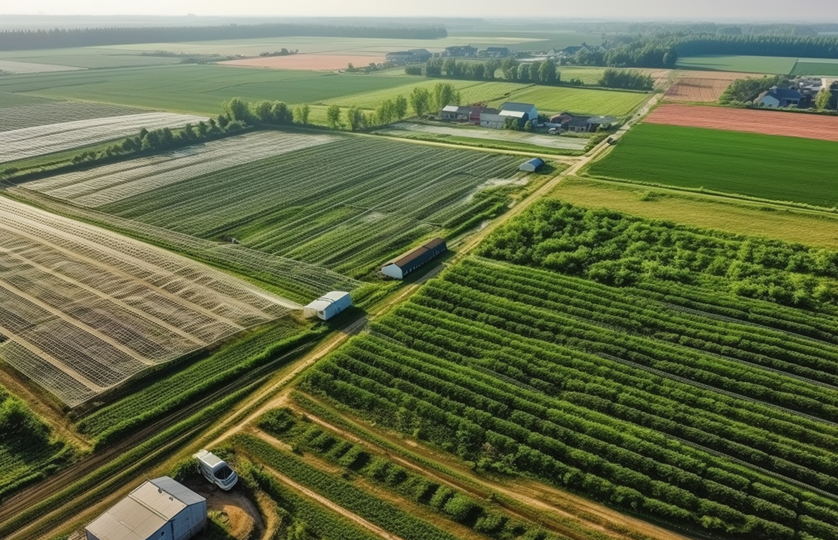
Originating in Europe, kale was introduced to China in the 1990s, mainly used for ornamental purposes, with a small amount for export and feed. In 2005, Gaomi Ten Thousand Mu Good Field Family Farm in Shandong Province introduced kale, but suffered repeated failures for seven consecutive years due to high-temperature seedling damage, low-temperature frostbite and inefficient seedling raising, even stumping foreign experts. Farmers built a simple laboratory, recorded temperature differences hour by hour, and repeatedly optimized plant spacing and temperature control, finally mastering key technologies such as seedling raising at 15℃ and a "golden plant spacing" of 30 centimeters. From a 100-mu experimental field, it has grown into Asia’s largest kale export base, with a single-season planting area of 2,000 mu and an annual output exceeding 5,000 tons.
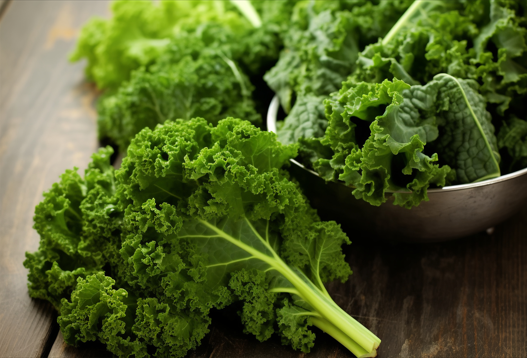
In the past, kale was difficult to enter the public dining table due to its coarse fiber and bitter taste. After 20 years of research, a breeding team collected more than 200 germplasm resources, constructed a high-quality reference genome, and used isolated microspore culture technology to shorten the parent purification cycle from 8 years to 2 years, greatly improving efficiency. Domestic seeds are only 20% to 50% of the price of imported varieties, with a market share exceeding 28%, reducing planting costs and making the taste more suitable for Chinese palates.
The new consumption trend has ignited the industrial engine. With health preservation and fat reduction becoming rigid demands for young people, kale, with its high dietary fiber and rich nutrition, has become popular rapidly. In May 2025, domestic tea brand HeyTea launched a bottled kale and cucumber drink in Sam’s Club; recently, the upgraded version of this drink was launched again and is deeply loved by consumers, with weekly sales exceeding 10,000 units in Sam’s Club. After HeyTea took the lead in launching kale-related drinks in 2024, it quickly drove the market boom.
Shiping in Yunnan seized the opportunity, relying on its plateau lake climate and high-quality soil and water, and joined hands with new tea drink enterprises to build a zero-pesticide-residue standardized base. It adopts biological control and organic fertilization, is equipped with intelligent irrigation and traceability systems, strictly controls the length and rhizome of each fresh leaf, and directly supplies terminals after vacuum pre-cooling and automatic cleaning, ensuring full traceability and solid quality.
Industrial upgrading also requires extending the value chain. Shandong’s planting bases not only sell fresh vegetables but also cooperate with enterprises to develop more than 40 deep-processed products such as noodles, pastries and freeze-dried powder. The freeze-dried powder production line processes 1.5 tons of fresh leaves per hour, and the meal replacement powder topped the e-commerce niche category three months after its launch. The crop-livestock recycling model achieves a 98% resource utilization rate, increasing per mu income to 5 times that of traditional planting.
Behind the popularity, rationality is needed. Although kale is nutritious, it has no magical effects, and affordable vegetables can provide similar nutrition. While the price surge drives farmers’ income increase, blind expansion may lead to overcapacity and price fluctuations. For the industry, to develop in the long run, it is necessary to steadily improve quality control and accurately control production rhythm, turning the "Internet-famous vegetable" into a "long-term industry" that continuously benefits rural areas.