China Enters Two Sessions Period Amid Global Attention in 2026
China has officially entered the Two Sessions period. Known as a barometer of China’s politics and economy, the Two Sessions is not only a key domestic political agenda but also a major political event with global influence. As 2026 marks the start of the 15th Five-Year Plan period, mainstream international media have paid extensive attention to how China will outline its long-term strategic blueprint, making this year’s Two Sessions particularly significant. It has been noted that the event is far from ordinary and may position China as a more stable and reliable anchor in an increasingly fragmented international order.
The 2026 Two Sessions takes place at a special historical juncture. The 15th Five-Year Plan period plays a crucial connecting role in advancing towards basic socialist modernization. Amid profound global changes, Chinese modernization has created a new form of human civilization. Against the backdrop of an unstable global order and declining predictability of the international system, the signals released by the Two Sessions carry significance beyond China’s domestic affairs.
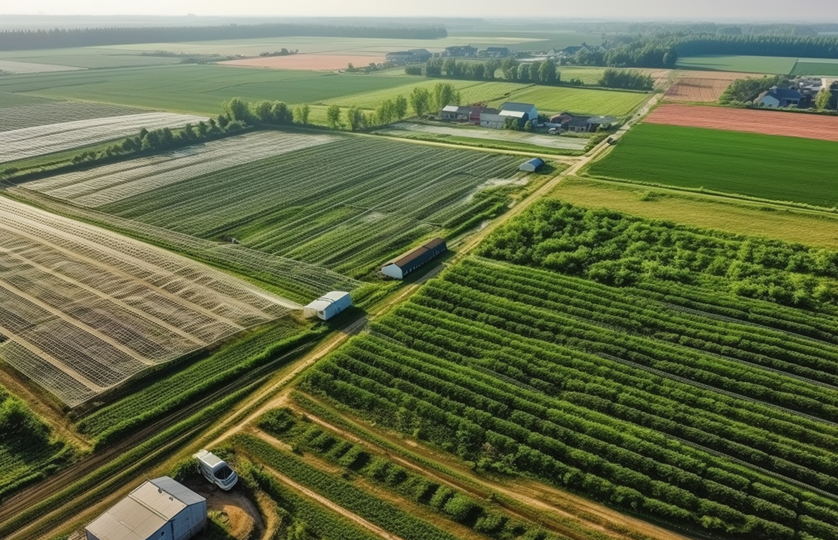
Looking back on the just-concluded 14th Five-Year Plan period, China navigated an extraordinary journey. Facing complex international situations and arduous domestic tasks of reform, development and stability, China’s economic aggregate has crossed multiple trillion-yuan thresholds consecutively, its manufacturing added value has remained the world’s largest, technological self-reliance has accelerated, and grain production has hit new highs year after year. This hard-won achievement is a vivid reflection of solid progress in Chinese modernization and a concentrated manifestation of the advantages of the socialist system in the face of challenges.

The draft outline of the 15th Five-Year Plan, to be reviewed soon, will chart the strategic course for China’s development in the next five years. Moving from the “foundation-laying and transformation” phase of the 14th Five-Year Plan to the “all-round advancement and overall leap” phase of the 15th Five-Year Plan, China will pursue original innovation in technological self-reliance, accelerate the construction of a consumption-driven economic model, and highlight a policy orientation of “investing in people”. These strategic arrangements reflect the forward-looking and continuity of macro policies, as well as China’s flexibility in adapting to uncertainties.
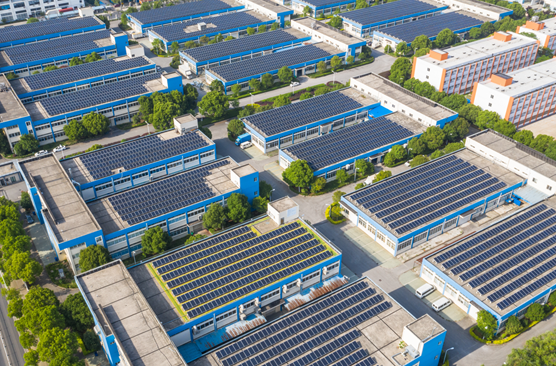
Key topics attracting international attention to this year’s Two Sessions include the start of the 15th Five-Year Plan, economic growth, technological independence and green development. For instance, it has been pointed out that the formulation of the 15th Five-Year Plan will be crucial to the world’s success in addressing climate change, demonstrating international recognition of China’s progress in modernizing its national governance system and capacity. The world gains confidence from studying and discussing China’s policy-making and long-term planning.
Against this backdrop, an increasing number of state leaders, including those from major Western countries, have visited China to seek cooperation, a trend consistent with the widespread attention on the Two Sessions. It has been observed that the global narrative is shifting, with China’s development direction being more certain and its economic resilience more prominent compared with the unpredictability of some other countries. China has always adhered to a high-quality and sustainable development path, expanding high-level opening-up, deepening digital economy cooperation and promoting the building of a green Belt and Road, while upholding mutual benefit and win-win cooperation. The Two Sessions will help all parties deepen their understanding of a credible, lovable and respectable China.
From the successful conclusion of the 14th Five-Year Plan to the sound start of the 15th Five-Year Plan, China has turned its modernization blueprint into reality through consistent medium and long-term planning. Unlike Western modernization, which took over 300 years to benefit less than 1 billion people, Chinese modernization, characterized by its huge population scale, is pioneering a path to modernization for over 1.4 billion people in decades—a feat in the history of human civilization. Its core strengths lie in the strategic determination to follow a consistent plan, the institutional advantage of pooling resources to accomplish major tasks, and the people-centered development philosophy.
During the Two Sessions, deputies and members will deliberate and discuss the government work report and the draft outline of the 15th Five-Year Plan. This epitomizes China’s journey towards Chinese modernization, reflecting the certainty of China’s development and the stability of its system—something that brings confidence and strength to an increasingly uncertain world.