Two Sessions Send Positive Signals, Multinationals Reaffirm Confidence in Deepening China Engagement
China Economic Media Report: The "Two Sessions" (the annual meetings of China's National People's Congress and the Chinese People's Political Consultative Conference) serve as a crucial window for multinational corporations to observe China's economic and social development and grasp its policy direction. This year, the meetings once again conveyed a firm resolve to expand high-standard opening-up, enabling numerous multinational enterprises to recognize the vast potential and development opportunities within the Chinese market. Many have expressed their commitment to continuously deepen their presence in China to share in its development dividends.
This year's Government Work Report outlined a series of strategies and deployments to further expand high-standard opening-up, providing solid policy support for the development of multinational enterprises in China. Several companies stated that China's supersized market advantages, comprehensive industrial system, continuously improving business environment, and the stable expectations fostered by high-standard opening-up are the core sources of confidence for their long-term development in China. One such company has already accumulated investments exceeding 4.36 billion yuan in China, establishing its China headquarters in Beijing and setting up modern production bases in Sichuan and Guangxi. These tangible investments represent a significant vote of confidence in the Chinese market's long-term prospects.
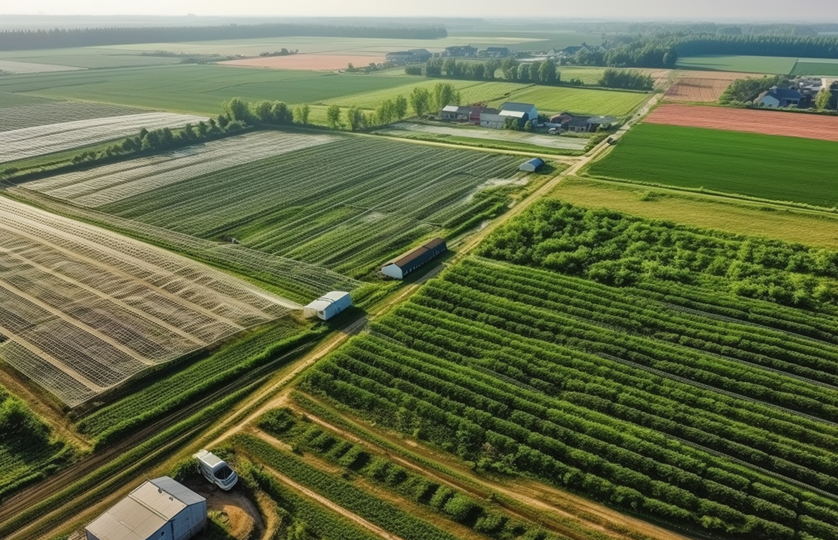
In the agri-food sector, relevant multinational corporations believe that the positive signals from the Two Sessions demonstrate the stable trajectory of China's economic development. They view the Chinese market as a strategic engine driving their future growth. These companies plan to continuously promote the integrated application of innovative technologies, deepen local collaborations, and contribute to the transformation, upgrading, and sustainable development of China's agri-food industry.
In the digital economy sector, multinational enterprises hold China's innovation vitality in high regard, recognizing it as a crucial engine and innovation hub for global digital economy growth. Several companies stated that they view China as a vital "innovation incubator." They not only introduce their advanced technologies and platforms but also export innovative business models developed in China to the rest of the world, while simultaneously assisting Chinese enterprises in their global expansion.

The emergence of the intelligent economy became a hot topic during this year's Two Sessions, highly resonating with global technological development trends. A multinational corporation focusing on the convergence of artificial intelligence, advanced computing, and wireless communication technologies noted that it has keenly felt the positive progress in China's manufacturing digital transformation and the "AI+" initiative. Looking ahead, the company plans to collaborate with industry partners to explore 6G technology pathways and drive AI capabilities from "model parameters" to practical "scenario implementation."
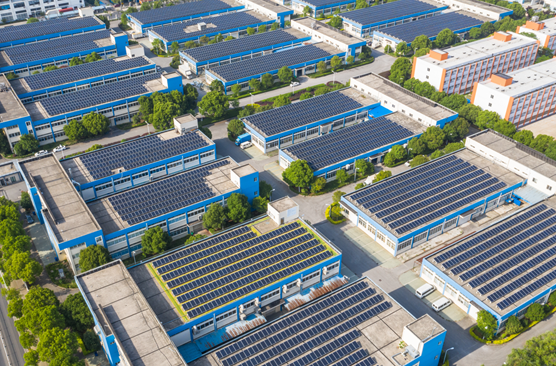
In the green transition domain, the comprehensive green transformation tasks outlined during the Two Sessions present new opportunities for relevant multinational corporations. Companies believe that green and low-carbon development is an inherent requirement for manufacturing upgrades. In the future, they aim to drive efficiency improvements and help achieve carbon reduction targets for upstream and downstream enterprises through platform co-building and capability sharing. They also intend to transform the green transition practices of China's manufacturing industry into replicable and scalable models.
Regarding new forms of foreign trade, China's initiatives to expand and upgrade the "cross-border e-commerce plus overseas warehouse" model have bolstered confidence among relevant multinational corporations. One such company stated it would leverage its role as a bridge. By enhancing technological innovation and service system development, it aims to assist Chinese sellers in boosting their innovation, strengthening supply chain resilience, and building brand competitiveness, thereby helping more Chinese brands reach global markets.
Multinational healthcare companies are paying close attention to policies related to the high-quality development of innovative drugs and medical devices in China. Several enterprises are actively responding to the requirements of the "Healthy China" initiative. They are accelerating the introduction of global innovative treatment solutions, exploring diversified service channels, participating in the development of disease prevention and treatment systems, and deepening local collaborations. These efforts aim to help meet the people's diverse medical and medication needs. From the real economy to the digital economy, and from green transition to people's livelihood services, the proactive stance of multinational enterprises highlights the unique appeal of the Chinese market and the strong appeal of China's high-standard opening-up. It also confirms the positive long-term fundamentals of the Chinese economy.