China’s Non-Ferrous Metals Industry Advances Green Transition with Remarkable Achievements
As one of the sectors with high energy consumption and carbon emissions, China’s non-ferrous metals industry is accelerating its green transition, which is both a requirement of the times and an opportunity for development. Substantial breakthroughs have been made in green and low-carbon transformation since the 14th Five-Year Plan period, with significant achievements in energy conservation and emission reduction, and great potential for further green development yet to be released.
Notable progress has been made in energy conservation and carbon reduction, making “green non-ferrous metals” a distinctive label of the industry. In 2025, the comprehensive energy consumption for copper smelting stood at 191 kg of standard coal per ton, down 2.9% year-on-year, while the comprehensive AC power consumption for primary aluminum was 13,202 kWh per ton, a 0.5% decrease from the previous year and about 800 kWh per ton lower than the global average. Notably, China’s aluminum industry achieved carbon peaking six years ahead of the national “dual carbon” target in 2024.
During the 14th Five-Year Plan period, a total of 163 national-level green mines have been built, with advanced technologies such as oxygen-enriched smelting and direct supply of wind and solar DC power for aluminum smelting widely applied. The energy consumption intensity has continued to decline, with the production capacity meeting the benchmark energy consumption level for copper, lead and zinc smelting accounting for over 50%. The proportion of green electricity used in the industry rose to 26% in 2025, 7 percentage points higher than in 2020.
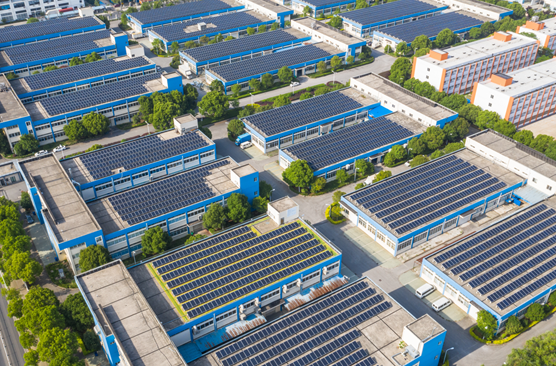
Efforts are being stepped up to optimize the energy structure, the main battlefield of green transition. Aluminum enterprises are focusing on clean energy, promoting direct green electricity connection, expanding green electricity application and building zero-carbon parks to reduce carbon emissions from the source. Technological innovations have addressed key challenges, such as the development of waste heat recovery devices suitable for low flue gas volume conditions brought by the promotion of “oxygen combustion” technology in copper anode furnace refining, achieving significant energy conservation and carbon reduction effects.
Resource utilization efficiency has also been notably improved, with key enterprises increasing environmental protection investment and upgrading end-of-pipe treatment facilities, leading to a double reduction in the total volume and intensity of pollutant emissions such as wastewater, waste gas and waste residue. The utilization level of smelting slag has been greatly enhanced, realizing the recycling of solid wastes including steel plant soot and petrochemical waste catalysts.
The circular economy system of the industry is becoming increasingly improved. In 2025, China’s recycled non-ferrous metals output exceeded 20 million tons for the first time, accounting for a quarter of the country’s total output of 10 commonly used non-ferrous metals and a third of the global total. The annual growth rate of the combined output of recycled copper, aluminum, lead and zinc reached 7.2%, 2.2 percentage points higher than that of primary metals.
The industry is further releasing its green transition potential in line with the requirements of the “Work Plan for Stabilizing Growth in the Non-Ferrous Metals Industry (2025-2026)”. Efforts will focus on accelerating green and low-carbon technological research, promoting clean energy substitution and building a green manufacturing system. Policy support from the State Council, such as the “Action Plan for Comprehensive Solid Waste Management”, has provided systematic guarantees for solving the problem of solid waste utilization, including red mud.
Enterprises in the sector are taking targeted measures to advance green transformation, such as promoting clean energy substitution, upgrading equipment and processes, optimizing carbon management systems and building integrated industrial chains, which will continue to propel the high-quality development of China’s non-ferrous metals industry.