China Optimizes Traditional Industries to Boost High-Quality Development and New Quality Productive Forces
In China’s industrial system, traditional industries such as textiles, metallurgy, chemicals and machinery account for a large proportion and have a solid foundation, serving as the cornerstone and stabilizer of economic development. Data shows that traditional industries account for over 80% of China’s manufacturing sector. Through intelligent, green and integrated transformation and upgrading, these traditional industries are rejuvenated, consolidating the advantages of China’s industrial system and stabilizing the foundation of economic development.
This year’s Government Work Report has listed "optimizing and upgrading traditional industries" as the top priority in "accelerating the cultivation and expansion of new driving forces". This deployment is based on the irreplaceable role of traditional industries in China’s economic system, aiming to release new vitality and consolidate the foundation of the real economy through digital, intelligent and green transformation.
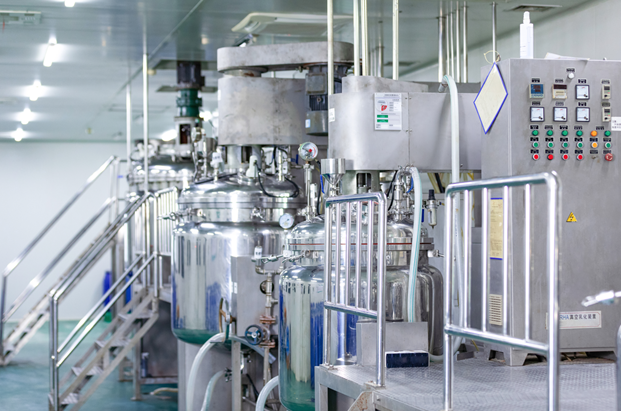
Traditional industries are an important part of the modern industrial system and a key area for promoting industrial transformation and upgrading and sustaining the development of new driving forces. Data from the National Bureau of Statistics shows that from January to February this year, the added value of industrial enterprises above designated size increased by 6.3% year-on-year, 1.1 percentage points faster than that in December last year, reflecting the resilience of traditional industries and their internal motivation for transformation.
Artificial intelligence (AI) is becoming a strong driver of high-quality economic development. In 2025, the scale of China’s core AI industry exceeded 1.2 trillion yuan, with more than 6,200 enterprises. The penetration rate of AI technology application among industrial enterprises above designated size reached over 30%, with unmanned production lines and human-machine collaboration becoming common in workshops and factories, greatly improving the quality and efficiency of design, manufacturing and quality inspection.
AI has been widely applied in traditional manufacturing, agriculture, commerce, logistics and other fields, bringing systematic changes to production methods and management models. A high-voltage switch company in Xi’an has achieved intelligent decision-making and overall optimization of its scheduling system through digital and intelligent upgrading, with scheduling efficiency increased by 25% to 40% and order delivery rate exceeding 98%.
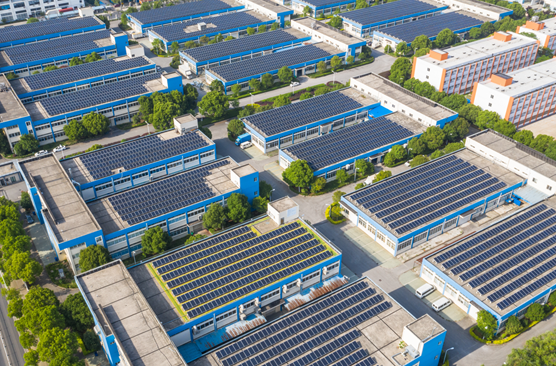
China’s traditional industries are accelerating their march towards high-end, green and integrated development. In 2025, the added value of high-tech manufacturing above designated size increased by 9.4% year-on-year, accounting for 17.1% of the total. Up to now, the Ministry of Industry and Information Technology has cultivated 8,336 green factories, whose output value accounts for 22% of the total output value of manufacturing enterprises above designated size, with energy and water consumption reaching advanced industry levels.
Efforts will focus on increasing investment in high-end, green and integrated development, while emphasizing efficiency, value and brand improvement. Policies will be strengthened to guide resource allocation, innovation-driven development will be promoted, and the development environment will be optimized to help traditional industries achieve higher-quality and more sustainable development, laying a solid foundation for China’s high-quality development.