World’s Largest Ultra-Supercritical CFB Power Plant Comes Fully Online in Guizhou
According to People’s Daily Online Guizhou Channel, the second generating unit of the 2×660MW low-calorific coal comprehensive utilisation power project in Pannan, Guizhou, passed its 168-hour full-load trial run at midnight on 6 July, marking full commercial operation of the world’s largest ultra-supercritical circulating fluidised bed power station invested and built by PowerChina.
Sited in Liupanshui, Guizhou Province, the facility boasts a combined installed capacity of 1,320 megawatts, equipped with two high-efficiency 660MW ultra-supercritical circulating fluidised bed generating sets. It stands as the world’s first and largest power plant adopting high-efficiency ultra-supercritical CFB technology without external beds, a milestone breakthrough in clean coal power engineering globally.
Each unit deploys cutting-edge ultra-supercritical circulating fluidised bed clean combustion technology, designed to run primarily on low-grade coal by-products including coal slurry and gangue. Annual consumption of such waste fuels will exceed 3.6 million tonnes, with a blended fuel proportion hitting 70 per cent, turning discarded coal residues into usable power resources. The plant is engineered with flexible operational performance, supporting start-stop peak regulation, banked fire load adjustment and deep peak shaving down to 20 per cent of rated output. This enhanced responsiveness delivers steady, clean power supply and reinforces grid stability amid fluctuating renewable output.
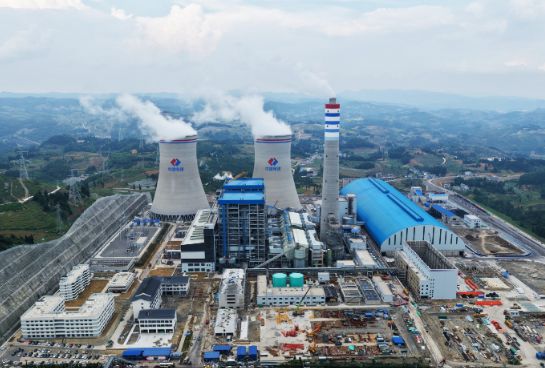
Once running at full capacity, the site is projected to generate 6.6 billion kilowatt-hours of electricity each year. It will act as a core backbone and flexible balancing power source for Guizhou’s grid and the wider China Southern Power Grid network. Its operational profile lifts overall grid reliability, stabilises cross-regional power delivery, underpins the construction of a new-type power system and eases local ecological pressure left by accumulated coal waste stockpiles.
Advanced flue gas treatment installations for dust removal, desulphurisation and denitrification operate alongside the generating units to meet ultra-low emission standards. The integrated waste fuel processing model cuts carbon emissions by nearly 940,000 tonnes annually, laying tangible groundwork for low-carbon transformation across resource-based industrial zones in western China.
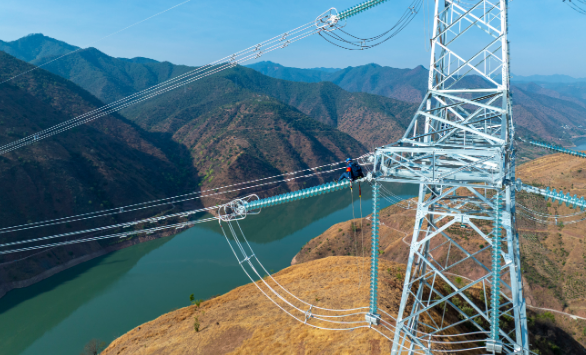
Large-scale power transmission corridors and a unified provincial power market framework will draw on the plant’s flexible output capacity in the coming months, coordinating its dispatch with wind and solar assets distributed across Guizhou. The facility’s technical blueprint will provide replicable engineering benchmarks for low-calorific coal utilisation projects in other coal-producing regions.
热门内容推荐