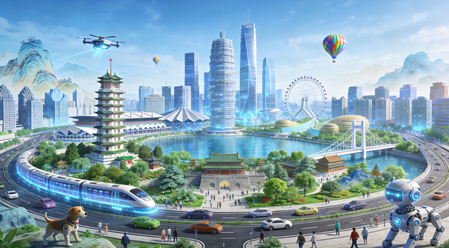
China Unveils 15th Five-Year Roadmap for Building a Global Tourism Powerhouse
According to Xinhua News Agency, the Ministry of Culture and Tourism released the 15th Five-Year Plan for Building a Tourism Powerhouse on 7 July, laying out a full set of actionable targets and development frameworks for the sector over the next five years. The document formally incorporates the goal of constructing a tourism powerhouse into its official title, setting clear milestones for 2030: substantial progress in high-quality tourism growth, a fully refined modern tourism system, and tangible advances in realising the tourism powerhouse vision.
Advancement of a robust tourism sector forms an integral component of national modernisation, providing solid backing for the comprehensive development of a fully modernised nation. The new plan covers a comprehensive spectrum of priorities, ranging from coordinated spatial planning and new growth driver cultivation to upgraded premium tourism offerings and unlocking latent consumption potential, with multiple innovative policy directions embedded across its chapters.
Central to the framework is a people-centred approach designed to deliver tangible public benefits. The 15th Five-Year period will place greater emphasis on inclusive tourism access for all communities. The document introduces formal inclusive tourism targets for the first time, aiming to lift public satisfaction and sense of fulfilment from travel nationwide by 2030, while widening the reach of accessible tourism. Upcoming policy adjustments will lower barriers to participation and streamline public travel services, opening broader opportunities for all demographic groups to engage with tourism and share in its economic and cultural gains.
Aligned with rising demand for immersive travel experiences, the plan rolls out targeted initiatives to expand high-quality tourism products. Four core upgrade campaigns cover scenic area infrastructure renewal, tourism resort quality improvement, rural tourism efficiency enhancement, and red tourism development. Supplementary programmes include upgraded research study travel frameworks and a dedicated winter sports tourism action plan, breathing fresh appeal into classic travel destinations and expanding integrated cross-industry tourism formats.
Cultivating fresh growth momentum sits among the plan’s core priorities, with development pathways built around digital intelligence, low-carbon operations and cross-sector integration. Deep cultural and tourism integration stands as the primary lever for industrial transformation. The plan outlines steps to excavate, interpret and deploy cultural assets, enrich cultural depth within travel experiences, and foster cross-industry collaboration between tourism and primary, secondary and tertiary sectors. Extended industrial value chains and newly emerging market segments will take shape as cross-industry linkages expand.
Digital innovation defines the core upgrading direction for tourism over the five-year cycle. A dedicated smart tourism enhancement scheme will scale up application of emerging technologies, fund targeted technical research within the travel sector and roll out digital transformation upgrades across tourism operators and destinations.
Green development runs through every stage of tourism planning, site development and operational management. Balanced ecological conservation and sustainable exploitation will unlock value from natural landscapes, enabling mutual conversion between ecological assets and sustainable economic returns for local communities.
Spatial layout optimisation represents a core planning pillar, with a dedicated standalone section on marine tourism expansion that did not feature in the 14th Five-Year Plan blueprint. A dedicated thematic section on marine tourism zoning sets out plans to nurture competitive coastal tourism zones, develop island travel in a controlled manner and complete supporting infrastructure for cruise terminals. The country’s extensive coastline and scattered island clusters will form distinctive new tourism highlights as these measures roll out.
Expanding inbound visitor flows constitutes another key strategic focus. Steady growth in international tourist arrivals has taken hold in recent years, with overseas travellers increasingly eager to explore China’s cultural landscapes. The plan commits to continuous optimisation of visa exemption arrangements, opening new international air routes and cross-border tourist rail services, alongside refined tax refund policies for foreign shoppers to enrich cross-border travel and retail experiences. The framework promotes authentic Chinese hospitality standards, builds a distinctive national “China Service” brand for tourism and highlights indigenous cultural characteristics within travel services, drawing greater global attention to Chinese destinations.
China holds unique structural strengths to advance its tourism powerhouse agenda, including profound cultural heritage, abundant natural endowments, an enormous domestic consumer base, mature public infrastructure, stable social conditions and steadily rising international influence. These foundational advantages create solid groundwork for accelerated progress across the whole tourism value chain.
Implementation of the outlined policy frameworks will reshape domestic and international travel ecosystems over the coming five years. The evolving tourism landscape will enrich residents’ quality of life, bolster macroeconomic expansion, nurture cultural identity, showcase national cultural identity and deepen cross-civilisation exchanges.
热门内容推荐