Rooftop Economy Takes Root in Beijing’s Dongcheng District as Breeze Terrace Scheme Passes One-Year Milestone
According to Workers’ Daily dated 6 July, the Breeze Terrace Scheme launched by Beijing’s Dongcheng District has marked its first full year of operation, drawing more than one million local residents and out-of-town visitors to rooftop venues across the area. Participating retail and hospitality operators have recorded a near 30 per cent uplift in footfall throughout the period. Long-underused rooftop platforms, known as the city’s “fifth elevation”, have evolved into integrated cultural, tourism and commercial spaces, acting as elevated viewing windows onto the heritage of Beijing’s Central Axis.
Rooftop economy describes a model of consumption built around building rooftops and terraces, which unlocks dormant urban space to blend diverse commercial and cultural offerings and create original leisure landscapes. Traditional urban regeneration schemes have long concentrated on ground-level streets and shopping complexes, leaving rooftop areas either cluttered with mechanical equipment or entirely neglected. This emerging development model shifts spatial planning upwards, unlocking scattered rooftop plots to deliver low-cost, high-quality urban renewal.
Rooftop-focused leisure development has expanded rapidly across cities nationwide, forming distinctive urban cultural landscapes. Sites within Dongcheng deliver unrivalled visual contrasts: the time-honoured glazed tile roofs of the Palace Museum sit side by side with the sleek high-rises of the central business district, merging ancient imperial urban aesthetics with modern metropolitan dynamism. Visitors standing on elevated terraces gain unobstructed views of Beijing’s layered urban evolution, alongside tangible insight into the balanced progress of historic quarter conservation and contemporary city expansion.
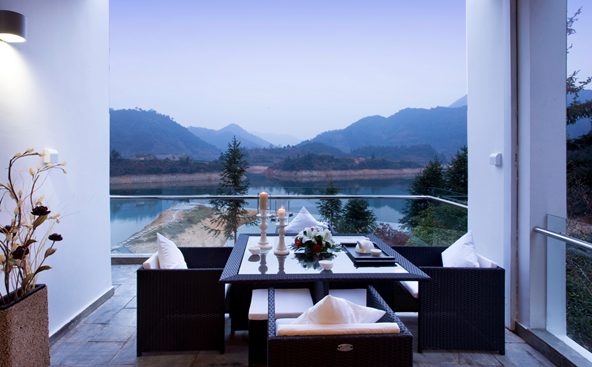
Cultural integration forms the core driving force sustaining rooftop venues’ long-term appeal. Simple turf installation and outdoor furniture only replicate ground-floor café models on higher ground, failing to deliver distinctive value. Venues that combine panoramic views of the Central Axis, traditional pastries recreated from ancient literary records and live folk music performances at sunset transform plain viewing platforms into multi-functional public spaces that preserve local collective memory and carry distinct cultural warmth. Seasonal climate patterns create clear peaks and troughs for rooftop operations in regions with prolonged winters, while elevated commercial activity also requires ongoing refinement of safety protocols and noise control frameworks.
Cities nationwide continue rolling out urban renewal and cultural tourism upgrades, yet many projects fall into repetitive, superficial development cycles, prioritising viral social media landmarks without deep engagement with local cultural lineage or resident demand. Successful rooftop economy projects demonstrate that targeted minor renovations built on existing urban stock and rooted in indigenous cultural assets deliver efficient, meaningful results. A city’s charm lies not solely in its skyline of high-rise buildings, but also in accessible, unhurried leisure zones that invite residents and visitors to pause and engage with local surroundings.
Dongcheng District’s updated 2026 iteration of the Breeze Terrace Scheme links close to 300 rooftop sites across three themed clusters: viewing platforms overlooking the Central Axis, cultural and literary terraces nestled within hutong neighbourhoods, and leisure hubs hosting outdoor markets, yoga and casual camping events. Regular seasonal activities including evening bazaars, traditional arts showcases and literary salons run year-round, supported by cross-platform digital marketing channels to connect online audience engagement with on-site consumption. Venue operators will continue refining event calendars and spatial layout designs to balance commercial viability with cultural presentation standards for all rooftop locations.
热门内容推荐