Reverse Spring Festival Becomes a New Trend, Reunion Warmth Accompanies New Journey of Cultural Tourism
During the Spring Festival, the "reverse Spring Festival" has quietly become popular, emerging as a new choice for family reunion. Once, "whether rich or poor, go home for the Spring Festival" was an unchanging consensus—young people working away from home would carry city specialties and hard-won return tickets to rush back to their hometowns for reunion. Today, reunion is no longer a one-way trip to the hometown; more and more elderly people pack their luggage, bring hometown flavors such as hand-cured bacon and slaughtered chickens and ducks, and travel to the cities where their children work, carrying full love and expectations to spend a unique and warm Spring Festival.
Groups of data vividly confirm the popularity of the reverse Spring Festival. A week before the Spring Festival holiday, the booking popularity of air tickets to cities such as Beijing, Shenzhen and Shanghai rose sharply compared with last year, with the proportion of passengers over 50 years old increasing significantly. Many elderly people "unlocked" their first flight experience during this Spring Festival, and the number of passengers over 60 buying their first air ticket increased by 20% year-on-year. On the day before New Year's Eve, hotels in Beijing, Shanghai, Guangzhou and Shenzhen ushered in a peak of check-ins by passengers over 60, with the occupancy rate surging by 60% compared with the previous day and more than 50% compared with the first day of last year's Spring Festival holiday. Every set of data reflects the popularity of this new reunion method.
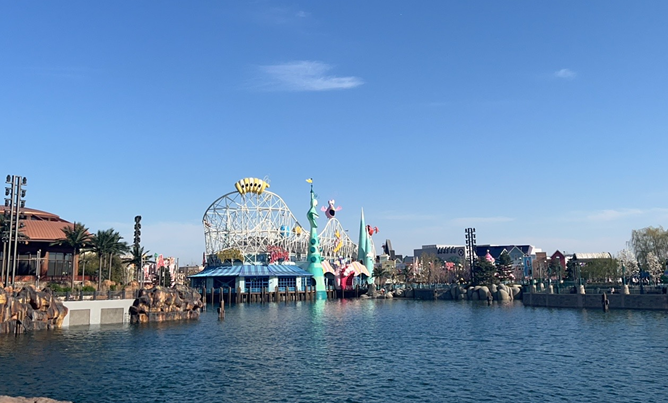
The rise of the reverse Spring Festival has made young people turn into "Spring Festival hosts", carefully arranging holiday activities to let their parents who come for reunion truly let go of their busyness and enjoy leisure time. Accompanied by their children, the elderly go out of their homes: they either wander around urban streets, admire old buildings and visit old alleys to taste the city's heritage in every brick and tile; or sit quietly in characteristic coffee shops and teahouses to relax and enjoy tranquility; or taste local delicacies to feel the city's atmosphere in daily life; or visit shopping districts and theme parks that their children often go to, experiencing fashionable urban life. Relaxation, comfort and in-depth experience have become the key words for the elderly's holiday this Spring Festival.
The popularity of the reverse Spring Festival has also injected new vitality into cultural tourism consumption and presented new characteristics. During this Spring Festival holiday, the number of scenic spot tickets booked by tourists over 60 increased by 40% year-on-year. Theme parks and ice and snow scenic spots such as Universal Beijing Resort, Shanghai Disneyland Resort and Harbin Ice and Snow World, which were once regarded as exclusive to young people, have now become new favorites of elderly tourists, breaking the age boundary of cultural tourism consumption and demonstrating the consumption potential of the silver-haired group.
The Spring Festival has always been an important window to observe consumption trends. The reverse Spring Festival is not only a shift in the geographical center of reunion, but also promotes the iteration and upgrading of consumption scenarios, bringing many inspirations for the development of the cultural tourism market. How to create exclusive tourism products suitable for the silver-haired group, strengthen barrier-free facilities based on the elderly's physical conditions, travel characteristics and hobbies, and activate the silver-haired consumption potential; how to highlight cultural characteristics, enrich cultural tourism experience scenarios, and turn foreign cities into warm reunion places through folk activities such as temple fairs and lantern fairs; how to get rid of seasonal dependence to achieve peak-shifting passenger flow and balanced use of resources; how to deepen all-for-one tourism, refine consumption scenarios, improve public services and optimize cultural supply, making the whole city a large scenic spot—these are the directions that cultural tourism practitioners need to think about and explore.
The popularity of the reverse Spring Festival is driven by people's pursuit of high-quality and differentiated reunion methods, as well as their demand for high-quality and personalized cultural tourism experiences. Faced with this trend, cultural tourism practitioners must adhere to sincerity, base themselves on tourists' needs, and accurately meet the travel and experience demands of different groups. Only in this way can they firmly grasp the "customer retention" code in the flowing daily vitality, promote the high-quality development of the cultural tourism industry, let every reunion be accompanied by warmth and beauty, and let the flowers of cultural tourism bloom more brilliantly in the time of reunion.