Longnan in Gansu: Spring Blooms, Tea Fragrance and Tech Empower Rural Vitality
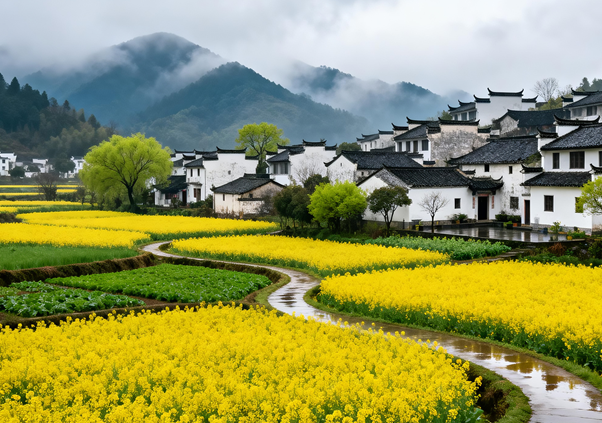
The spring breeze gently sweeps along the banks of the Bailong River, wrapping the green mountains and wilds in warmth. Driving along the Lanzhou-Haikou Expressway in Longnan City, Gansu Province, patches of golden rapeseed flowers catch the eye, with a faint fragrance lingering in the air, making the reputation of "Jiangnan on the Loess Plateau" more vivid than ever.
In front of Jiaogong Toll Station in Wudu District, the traffic is bustling, as the golden flower sea attracts tourists from inside and outside the province. Walking along the path beside the rapeseed flower base in Xiaobaizi Village, Jiaogong Town, there are vendors selling sausages, drinks and strawberries, as well as those renting Hanfu, creating a lively atmosphere.
"Business is booming!" said Ge Yuefeng, a 57-year-old villager running a snack stall. She sells two to three hundred bowls of rice noodles and wheat noodles every day, and expects to earn more than 20,000 yuan during the more than 20-day flowering period. The strawberry picking garden run by Song Wujia, a 46-year-old villager, is also popular, selling two to three hundred jin of strawberries per day on average.
In Bikou Town, Wen County, after the first spring rain, the plants are green and fresh. Besides the faintly sweet rapeseed flowers, the tea gardens covering the mountains are also a striking sight. In the 1,000-mu tea garden in Majia Village, the delicate fragrance of tea drifts with the wind, as villagers sit on stools picking spring tea.
"Almost every household in the village grows tea trees. Those with large planting areas even need to hire workers, and skilled pickers are in short supply—we have to provide board and lodging as well as round-trip transportation to recruit them," said Ma Ming, Secretary of the Party Branch of Majia Village. He added that skilled villagers can pick 1 jin of fresh buds a day, and 4 jin of fresh buds are needed to make 1 jin of tea. The village has 1,780 mu of tea gardens, with an annual output value of 6 million yuan.
Entering the processing workshop of Wen County Yuzechun Tea Industry Co., Ltd., fresh buds picked from the tea gardens emit a strong tea fragrance after multiple processing procedures. Chen Shuyun, person in charge of the company and president of Wen County Tea Industry Association, said that the geographical advantages of high latitude and high altitude have nurtured the unique flavor of Wen County green tea. Now the county has developed 100,000 mu of tea gardens, driving nearly 10,000 tea-growing households to develop the tea industry.
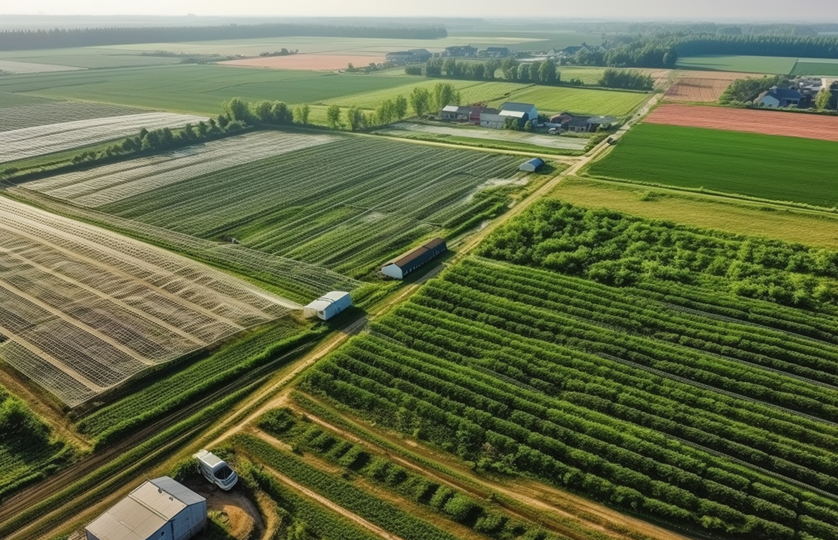
The spring scenery is not only bright in the flower and tea fields, but also warm in the fields. In Shuiba Village, Suyuan Town, grower Xin Lichun "lazied around" this year. In the past, he had to carry a sprayer weighing dozens of jin and work for two or three days to finish spring ploughing on more than 10 mu of land. This year, with the help of a plant protection drone, he finished the work in less than half a day.
"This year, we have deployed 12 plant protection drones and completed unified prevention and control over more than 14,000 mu of land," said Yang Yang, person in charge of Gansu Changqiong Aviation Technology Co., Ltd. He calculated that the cost for farmers to spray 1 mu of land by themselves is about 50 yuan, while using drones can control the cost to about 30 yuan, with much higher operation efficiency.
Wandering around Longnan, the scenery is picturesque everywhere in spring. Tourists enjoy the flowers, taste tea, go for outings and plant green plants. A vibrant spring picture unfolds, nurturing the vitality and hope of the season in this land.