Ninghai Revamps Cultural and Sports Tourism for Immersive Global Experiences
As the birthplace of China Tourism Day, Ninghai in Zhejiang province is reshaping contemporary tourism by integrating rural vitality, sports events and intangible cultural heritage experiences to deliver immersive and culturally rich travel options for visitors from home and abroad.
The city holds unique cultural significance. On May 19, 1613, ancient Chinese explorer Xu Xiake embarked on his legendary journey from Ninghai, an event that laid the foundation for China Tourism Day, officially designated by the central authorities in 2011. Moving beyond traditional sightseeing, local tourism development now focuses on in-depth lifestyle experience, cultural integration and spiritual relaxation.
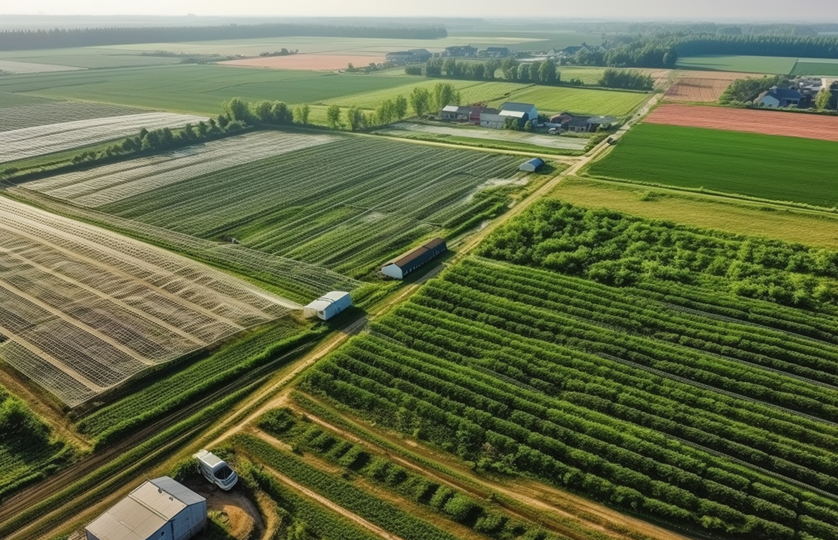
Rural revitalisation stands as a core driver of Ninghai’s tourism upgrade. Hehong Village, once known for its longevity culture, has transformed idle rural resources into vibrant cultural and commercial spaces. By attracting young local entrepreneurs, the village has developed boutique cafes, intangible cultural heritage workshops and outdoor camping sites. Local homestays and specialty catering venues have achieved robust market performance, receiving over 40,000 visitors and generating more than 500,000 yuan in revenue during this year’s May Day holiday.
Ninghai is rolling out forward-looking strategies to sustain long-term industrial growth. During this year’s China Tourism Day celebration, the city launched a global recruitment campaign for rural cultural tourism operators and unveiled its official rural tourism brand. The initiative promotes integrated village operation models, fosters diverse boutique tourism formats and builds high-quality rural tourism IPs, consolidating a benchmark model for county-level cultural tourism development.
Sports tourism injects dynamic momentum into local industrial iteration. Ninghai hosts a series of influential annual events, including the Ninghai Marathon, rural village running races and the 11-year-old Ninghai Ultra Trail Challenge. Built along the historic Xu Xiake trails, the national-level mountain track attracts professional runners and sports enthusiasts from dozens of countries and regions. The city launches themed tourism campaigns alongside major competitions, expanding international exposure for its mountains-and-seas landscape.
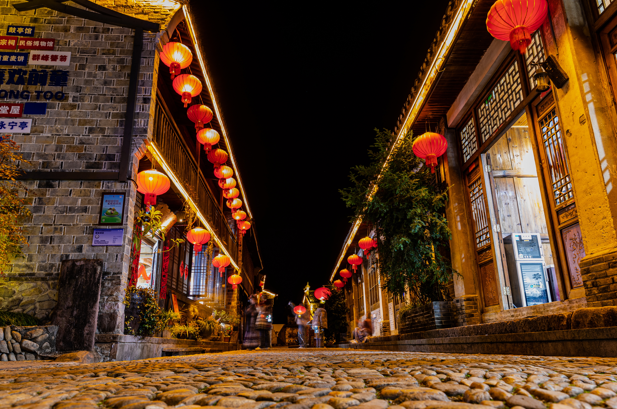
Immersive cultural experience constitutes Ninghai’s core competitive edge. In ancient towns such as Qiantong, live cultural shows combine traditional local patterns and plant dyeing craftsmanship with modern fashion, presenting harmonious dialogue between heritage and modernity. Coastal areas provide maritime sightseeing, island excursions and authentic fishery catering experiences, forming diversified leisure scenarios.
Living heritage experiences enable cross-cultural communication. Foreign tourists can engage in hands-on plant dyeing workshops, using natural indigo plants to create unique tie-dye works. Such interactive activities vividly interpret traditional Chinese ecological philosophy and serve as a soft power attraction for inbound tourism.
The city continues to enrich high-quality cultural tourism supply. It launches fine art exhibitions, Sino-French youth research tours and international student cultural exploration activities, alongside diversified preferential policies covering scenic spots and hotels. These efforts build a shared cultural atmosphere for tourists and local residents, enabling Ninghai to further solidify its position as a distinctive and influential cultural tourism destination in eastern China.