China’s 2025 Land Greening Achieves Remarkable Progress
China has made substantial headway in land greening and ecological conservation in 2025, with positive outcomes across forestry development, ecological restoration and public participation, according to a report released on March 12.
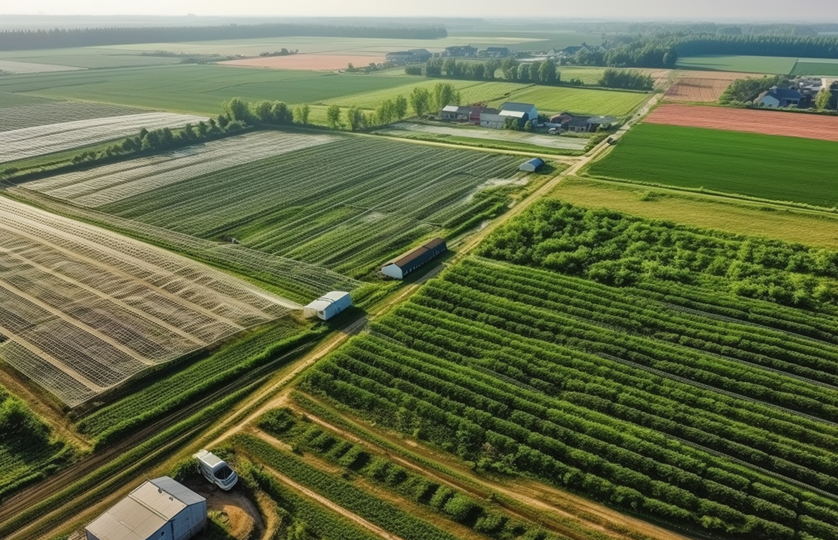
By the end of 2025, there were nearly 300,000 new-type forestry operation entities, among which about 100,000 had an operation scale of over 500 mu, driving more than 60 million people to employment. The report also highlighted robust growth in the forestry industry.
Annual timber output reached 140 million cubic meters, while forest food production exceeded 240 million tons, including 1.18 million tons of camellia oil. Ecological health care and bird-watching economy continued to gain popularity, with eco-tourism receiving over 3 billion visitors annually. The import and export volume of forest products surpassed 180 billion US dollars. In addition, the forest ranger policy has been incorporated into the central government’s long-term mechanism for preventing返贫 and poverty recurrence.
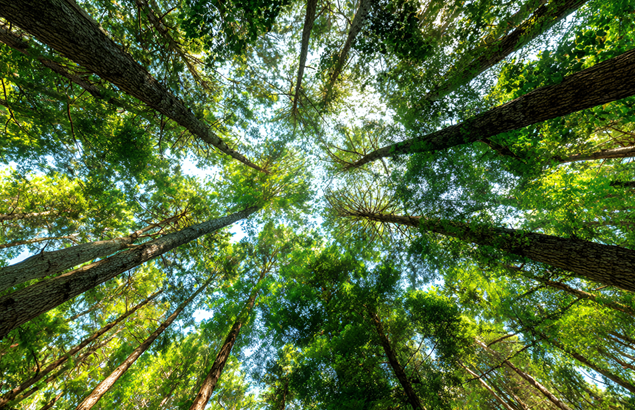
Significant efforts were made in germplasm resource protection and ecological restoration in 2025. A total of 68 new national forestry and grass germplasm resource banks (nurseries) were added, collecting and preserving more than 140,000 germplasm resources. The List of Recommended Fine Varieties of Precious Tree Species (2025) was issued, raising the utilization rate of fine varieties of major afforestation tree species from 65% at the end of the 13th Five-Year Plan period to 76%.
China has built 650,000 mu of ecological grass seed breeding bases, with an annual grass seed production capacity stably above 20,000 tons. It has also continuously implemented 166 "dual" projects, 27 integrated protection and restoration projects for mountains, rivers, forests, farmlands, grasslands and deserts, 10 land greening demonstration projects, and 68 demonstration projects for ecological restoration of historically abandoned mines, steadily improving the quality and stability of ecosystems in key areas.
Regional ecological governance has achieved remarkable results. Joint prevention and control in the Yellow River "Jizi Bend" critical battle area in central China was further deepened; the "green advancing and sand retreating" trend in the Horqin and Hunshandake Sandy Land elimination battle area in eastern China accelerated significantly; and the edge-locking green protection belt in the Hexi Corridor-Taklamakan Desert edge blocking battle area in western China was further consolidated and expanded.
Meanwhile, central and state organs have deepened the construction of economical greening units, with 94,000 cadres and staff completing 340,000 voluntary tree plantings. Military units actively participated in voluntary tree planting in their stationed areas and carried out afforestation in military camps.
Across the country, 3,071 "Internet + Voluntary Tree Planting" bases have been built, releasing 62,000 duty-fulfilling activities throughout the year and receiving more than 33 million participants. A social trend of everyone taking responsibility for voluntary tree planting has taken shape, laying a solid foundation for sustained ecological progress.