Trademark Empowerment Boosts Rural Homestays in Beihai, Fueling Rural Revitalization
Nestled among green trees in Huangzhigou Village, Pingyang Town, Yinhai District, Beihai City, Guangxi Zhuang Autonomous Region, a distinctive rural homestay stands out with its elegant and simple wooden signboard. In the tidy courtyard, bougainvillea blooms brightly, and tourists sit around the lawn, enjoying a leisurely rural time, presenting a beautiful picture of rural leisure tourism.
“The signboard you designed is ingenious, with a perfect match of words and patterns. We have sorted out and improved the trademark application materials for you, and feel free to contact us if you have any questions later,” Cai Jiawei, director of Pingyang Market Supervision Institute in Yinhai District, Beihai City, said to Zhong Naiming, the homestay operator, pointing at the signboard.
“Thank you so much. When I handled the business license before, I couldn’t use my favorite name due to system registration restrictions, and I was worried about how to build my own brand. Then you took the initiative to come to my door to help plan the trademark registration, solving my urgent problem,” Zhong said. “With an exclusive trademark, the homestay has double certification and protection. I don’t have to worry about name duplication and confusion, and tourists can recognize our characteristic brand.”
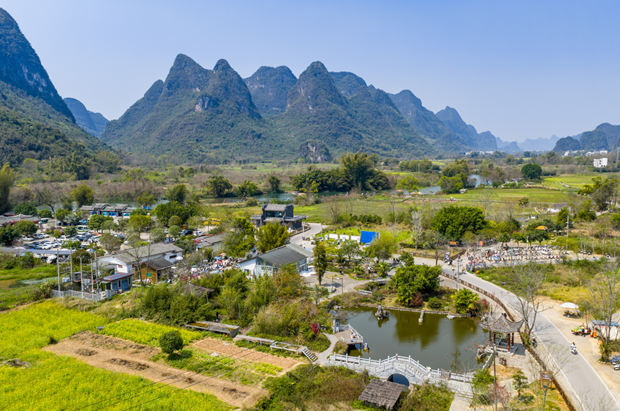
It is understood that in 2022, Zhong spent over 2 million yuan to renovate his 10-mu idle courtyard into a homestay integrating catering, accommodation and leisure and entertainment. Its signature wood-fired toast has won numerous fans with its unique flavor, making the homestay a popular choice for parent-child trips and corporate team building in the surrounding area.
However, difficulties followed: the registered name of the homestay lacked recognition, which was not conducive to brand building and dissemination; the lack of trademark protection made it difficult to form a differentiated competitive advantage, restricting its long-term development. Adopting a “text + pattern” combination to create a brand logo would inject stronger momentum into the homestay’s development, achieving dual improvement in brand recognition and protection.
After learning about Zhong’s demands, Pingyang Market Supervision Institute took the initiative to list the homestay in the key assistance list and customized a trademark cultivation and assistance plan. Market supervision personnel visited many times, carefully explained the trademark registration process, category selection and key points of brand protection, guided Zhong to standardize the application materials hand in hand, and took the initiative to connect with the window of Beihai Intellectual Property and Quality Service Center to coordinate and remove blockages in the application process, simplifying the complex procedures.
“I used to think the trademark registration process was cumbersome, worrying about time-consuming, costly and potential obstacles. The staff guided me patiently step by step, explaining every link clearly, which helped me sort out my ideas,” Zhong said, flipping through the trademark application guide in his hand.
“This is what the market supervision department should do. The ‘Famous, Special, Excellent and New’ individual industrial and commercial household we recommended you to apply for last year has been approved. Next, we will help you connect with more brand promotion resources to help the homestay go out of Yinhai and enter a broader market,” Cai said, recording Zhong’s development needs and encouraging him warmly.
“This year, we will continue to focus on the goal of high-quality development, take trademark empowerment as the starting point, wholeheartedly help more rural business entities build their brands and grow stronger, and strive to pave a broad road for rural revitalization,” a relevant person in charge of Yinhai District Market Supervision Bureau said.