Li Chuan Hong Tea Shines at First Afro-Asian Black Tea Exchange, Boosting Global Cooperation and Rural Vitalization
As late spring paints the Wuling Mountain area in lush green, ecological tea gardens in Lichuan City, Enshi Tujia and Miao Autonomous Prefecture, Hubei Province, are permeated with the fragrance of tea. On April 25, the First Afro-Asian Black Tea Exchange and the 2026 "Star Dou Yao Xiang · Li Chuan Hong" Tea Hometown Reunion kicked off in Lichuan, gathering tea experts and industry representatives from multiple countries to taste black tea and discuss the industrial development.
During the event, the Tea Industry Branch of the China Agricultural International Cooperation Promotion Association released the "2026 China Black Tea Import and Export Analysis Report", which analyzes the current situation and trends of China's black tea trade. Notably, while Hubei's black tea exports faced severe challenges in 2025, Li Chuan Hong made a逆势 breakthrough, accelerating its overseas expansion along the Belt and Road. Both its export volume and foreign exchange earnings grew that year, with small-packaged convenient tea successfully entering mainstream sales channels in France. China Daily reported that such progress is supported by Lichuan's efforts in international trademark protection, as its "Tianshan Longzhan" brand has obtained authorization in France.
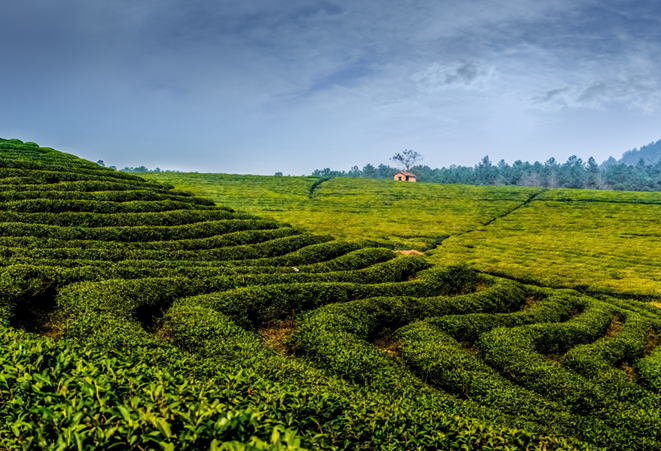
The benefits of the tea industry have also reached local farmers. Lichuan now boasts a coordinated development system consisting of 112,000 tea farmers, 372 cooperatives and 201 tea enterprises. During the 14th Five-Year Plan period, the income of tea farmers from fresh leaves increased by 150%, the output value of dry crude tea by 180%, and the comprehensive output value by 210%. At Yangjiapo Tea Garden in Zhonglu Town, Lichuan, Xie Wenying, a tea farmer who has persisted for 14 years, built China's first tea base certified by Demeter International Organic Standards. People's Daily noted that she has driven the town to develop 6,000 mu of organic tea gardens, increasing the price of Li Chuan Hong by 30% and achieving an annual output value of over 200 million yuan, turning ecological advantages into price advantages.
Innovation remains the eternal theme of the tea industry. On the same day, a number of cross-border new products of Li Chuan Hong were released, combining traditional black tea with fresh fruits, ingredients and modern craftsmanship to create new experiences for young consumers. "We hope to free traditional Li Chuan Hong from the 'old-fashioned' label through cross-border innovation, bring it into young people's lives, and make tea fragrance younger and more trendy," said Zhuo Wankai, chairman of Lichuan Xingdou Mountain Black Tea Co., Ltd. He added that the company will strengthen exchanges and cooperation with the international tea industry to boost the industry, increase farmers' income, revitalize rural areas and promote the brand globally.
The event also launched the "Global Initiative on Sustainable Development of Black Tea (China · Lichuan)", which was jointly signed by representatives from international organizations including the International Tea Committee and tea-producing regions. Tang Lan, Deputy Director of the Sri Lanka Tea Board, commented, "This initiative is timely and meaningful, allowing industry insiders from all countries to share practical experience, exchange new ideas, and help optimize industry practices and improve standards. We hope to take the initiative as a link to keep up with new international market trends, deepen transnational cooperation and achieve mutual progress."
From its appearance at the East Lake Tea Party in 2018 to the holding of the first Afro-Asian Black Tea Exchange, Lichuan has focused on the integrated development of tea planting, processing and culture. Li Chuan Hong has transformed from a local treasure into an international tea brand, building a bridge between China and the world, promoting the upgrading of the black tea industry and boosting brand internationalization and rural vitalization.