Wuxi Integrates Agriculture, Digital Nomads and AI with OPC Model to Boost Rural Revitalization
What sparks will fly when agriculture, digital nomads and artificial intelligence (AI) converge? Recently, Wuxi in Jiangsu Province has creatively introduced the One Person Company (OPC) model into rural revitalization scenarios, launching a pilot project in its “Pastoral Ideal Villages”. By prioritizing the construction of OPC innovation community zones in rural areas, equipped with co-working spaces and high-speed networks, the city has attracted digital nomads and creative professionals, allowing high-end digital technology to take root in pastoral settings.
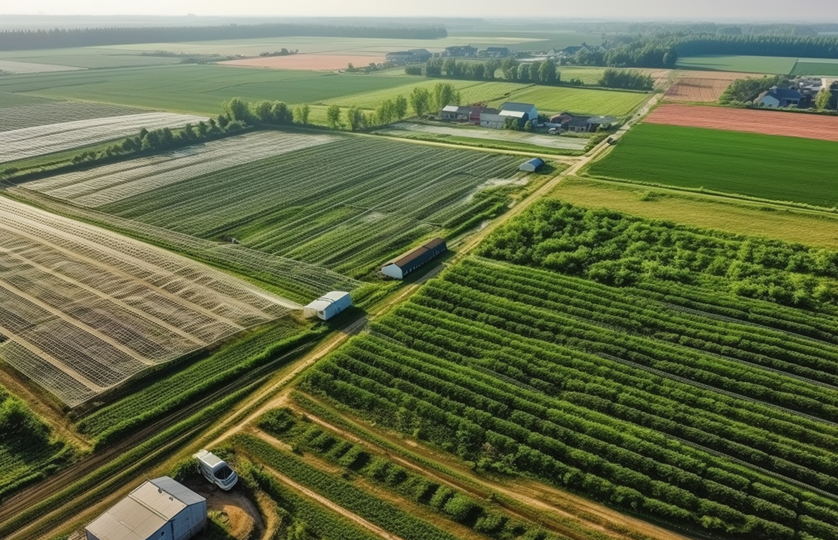
Zhangyang Village in Yixing City, home to the BTU Yixing Cofive Youth Community, is one of Wuxi’s first 11 “Pastoral Ideal Villages”. In 2025, Wuxi launched an initiative to cultivate and construct these villages, focusing on building 11 “Pastoral Ideal Villages & Digital Nomad Communities” and exploring an integrated village operation mechanism to transform beautiful villages into a thriving pastoral economy.
With the explosive development of AI technology, the OPC-based entrepreneurship model has emerged as a “light cavalry” in the startup circle. Wuxi has keenly captured this trend, deeply integrating the OPC model with “Pastoral Ideal Villages” to develop new rural industries and formats. By the end of last year, the first batch of 11 villages had introduced multiple professional operation institutions, gathered more than 30 rural managers and over 100 digital nomads, activated more than 20 platform carriers, and fostered diverse new formats such as cultural and creative design and research study experiences.

“Digital nomads in the community are engaged in product R&D of spirits, coffee and chocolate, as well as supporting services like packaging design and creative marketing. They possess innovative thinking and entrepreneurial enthusiasm, making them the core force driving agricultural OPC development,” said Cai Zhichao, manager of the BTU Yixing Cofive Youth Community. He added that the model promotes the integration of emerging tools with industrial needs, applying AI technology to rural design, cultural tourism experiences, e-commerce operations and industrial management.
Zhao Yan, known as “Brother Dou”, a 9-year veteran in the self-media industry, is one of the first managers settled in the community. With millions of followers online, he and his wife shifted from shooting travel videos to creating story-driven content that showcases rural new styles and drives traffic to local restaurants. “AI has revolutionized content creation efficiency. A story video that used to take a 7-person team a week to produce can now be filmed and edited in half a day,” Zhao said.
To support OPC entrepreneurs, the community has built an ecosystem of “cohabitation, sharing, learning, co-construction and co-creation”, integrating work and living spaces to reduce costs. “Our goal is to build a self-sustaining community that drives win-win results,” said Wu Yongze, co-founder of the BTU Yixing Cofive Youth Community.
At the municipal level, Wuxi has rolled out robust support policies. The Wuxi “Pastoral Ideal Village × OPC” Attraction Manual outlines a four-in-one support system, and the city has allocated 10 million yuan in special funds, with a maximum subsidy of 3 million yuan per village. Wuxi Municipal State-owned Assets Supervision and Administration Commission reported that the city’s intelligent computing power has exceeded 13,000 P, supported by the Wuxi Urban Intelligent Computing Cloud Center, which provides shared computing resources for OPC entrepreneurs.
Dai Quan, Director of Wuxi Municipal Bureau of Agriculture and Rural Affairs, said that the in-depth integration of pastoral villages, digital nomad communities, AI technology and the OPC model will open up new paths for rural industrial transformation and provide new support for building new agricultural and rural development scenarios.