Inner Mongolia Advances Spring Ploughing with Technological Support to Boost Grain Production
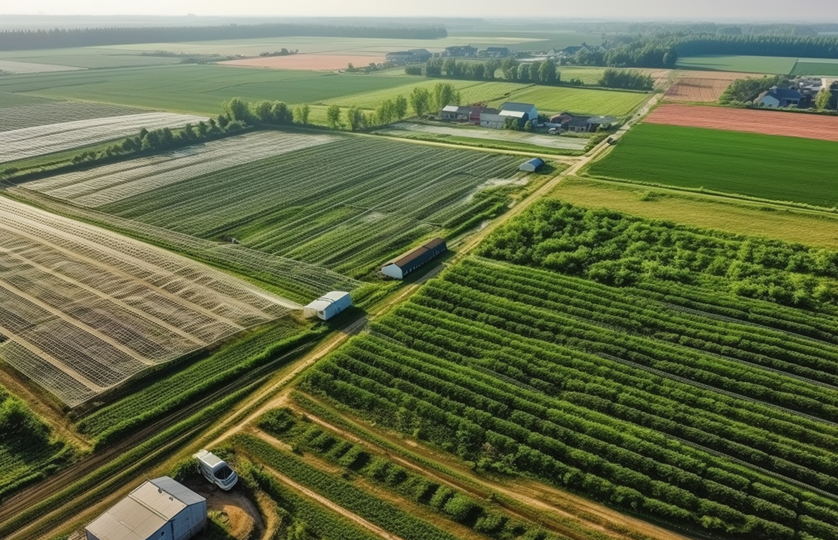
Inner Mongolia Autonomous Region is fully advancing spring ploughing and sowing work in 2026, focusing on key tasks such as stabilizing planting area, increasing per unit yield, optimizing structure and preventing disasters. With strong technological support and thorough arrangements, the region is laying a solid foundation for the whole year’s grain production, ensuring stable and increased grain output.
Recently, a training course on spring ploughing, sowing and corn per unit yield improvement project was held in Banshenqi Village, Goumen Town, Tumed Right Banner, Baotou City. Practical technologies such as dense planting and precision regulation for high-yield corn were detailed to local large-scale farmers, including fine soil preparation, precise seed coating, and precise management of water, fertilizer and chemical control. It is estimated that these technologies can increase corn yield by about 200 kilograms per mu. The technologies will be further promoted across Tumed Right Banner, along with integrated water and fertilizer management with high ridge film mulching, to boost corn per unit yield through scientific and technological means.
In Haiziwan Village, Zhandanzao Sumu, Dalate Banner, Ordos City, spring wheat in the 1,000-mu wheat planting demonstration area of Inner Mongolia’s 2026 green high-yield and high-efficiency creation project has emerged from the soil. High-yield and disease-resistant wheat varieties are selected in the demonstration area, with technologies such as fine seeding of improved varieties and seed coating promoted. The wheat-hemp intercropping mode is optimized, combined with a drip irrigation integrated water and fertilizer system to achieve precise supply of water and fertilizer, realizing water saving, fertilizer saving and cost reduction. It is estimated that wheat yield in the demonstration area will increase by 5% per mu, and farmers’ planting income will rise by more than 20% year-on-year.
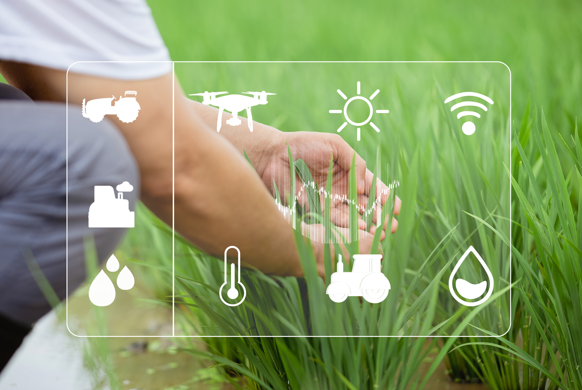
Hulunbuir Agricultural Reclamation Group has made early arrangements and prepared sufficient materials to steadily promote various preparations for spring agricultural production. This year, the group plans to sow 5.7073 million mu of land, with a continuously optimized planting structure. It will continue to promote the matching of improved varieties and good methods, the integration of agricultural machinery and agronomy, and improve spring ploughing efficiency through digital and precise means.
Inner Mongolia Department of Agriculture and Animal Husbandry stated that the region’s intended grain sowing area exceeds 100 million mu, and oil crop planting area exceeds 10 million mu, basically the same as last year, consolidating the foundation for grain production. As 2026 is the "Construction Year for Large-scale Per Unit Yield Improvement of Major Grain and Oil Crops", Inner Mongolia is striving to build a work system for large-scale per unit yield improvement.
The region has strengthened cooperation with research teams from the Chinese Academy of Agricultural Sciences and Huazhong Agricultural University, setting up a "424 matrix-type" support team for technological support in per unit yield improvement. It will build 170 modern agricultural service centers, coordinate projects such as socialized services and large-scale planting entities, give priority support to entities undertaking per unit yield improvement tasks, and the annual socialized service area is expected to exceed 43 million mu.
At present, wheat sowing has fully started in the Hetao area. Spring sowing in Inner Mongolia is advancing in an orderly manner from west to east, and will continue until early to mid-June. Looking ahead, Inner Mongolia will further promote the application of advanced agricultural technologies, optimize planting structures, and strengthen the construction of agricultural service systems, striving to achieve stable grain production and increased farmers’ income, and contributing to national food security.