Shandong’s Wangzhuang Town Revitalises Rural Economy Through Diversified Modern Agriculture
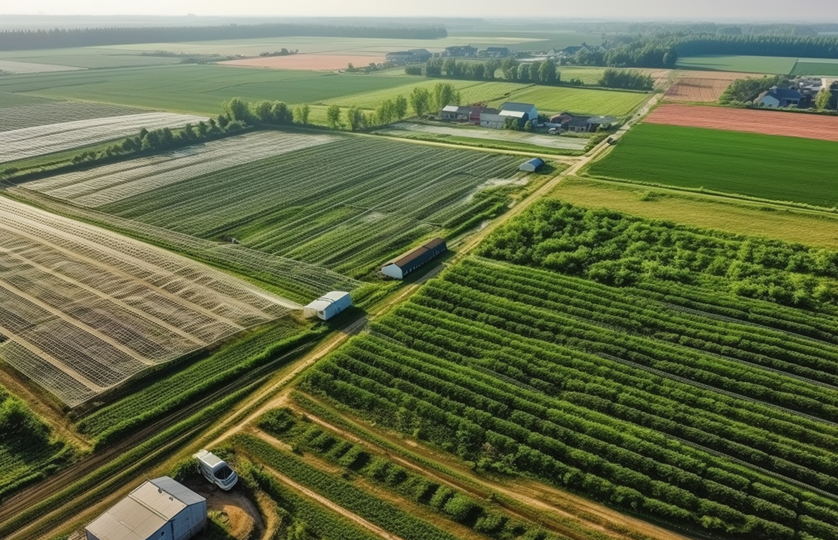
Wangzhuang Town in Feicheng City, Shandong Province, is advancing rural revitalisation via specialised, industrialised and branded agricultural development. The town optimises the traditional “two vegetables and one grain” planting model while expanding distinctive mushroom, fruit and vegetable industries. Through technological empowerment, innovative planting modes and full industrial chain development, local traditional agriculture achieves steady upgrading and emerging featured sectors maintain robust growth.
High-quality cherry cultivation has become a flagship industry driving local income growth. Starting from sporadic planting in the 1990s, cherry cultivation in Wangchang Village has expanded to over 2,000 mu of large-scale planting areas. The town has introduced premium cherry varieties and built 12 modern greenhouses covering more than 20 mu to realise off-season listing. Regular technical guidance from agricultural experts standardises orchard management, including pruning and pest control, steadily improving fruit quality and yield. High-quality cherries can be sold at 40 yuan per jin, bringing a per mu annual income of 60,000 yuan and creating jobs for over 60 local residents.
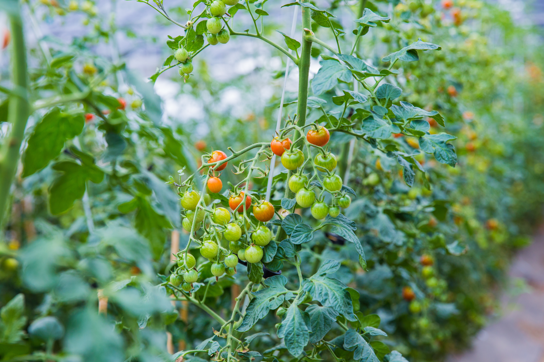
Leveraging technical experience accumulated from cherry planting, the town deepens cooperation with agricultural research institutions to promote an innovative mushroom-fruit-vegetable rotation model. Twenty-six high-standard greenhouses in Zhangzhuang Village enable year-round staggered production, with morchella cultivated in winter and melons and tomatoes grown in spring and summer. The efficient planting pattern fully activates idle land resources, achieving multiple harvests annually and lifting per mu output value to 100,000 yuan. The mature cultivation model radiates to surrounding towns and counties, driving regional agricultural upgrading.
While fostering emerging industries, Wangzhuang Town consolidates the advantages of traditional agriculture. As the birthplace of the classic “two vegetables and one grain” planting mode, Guoxin Village pilots differentiated cultivation of coloured potatoes, including high-nutrient black and red varieties. These premium potatoes boast higher nutritional value and broader market prospects than ordinary breeds, with per mu economic benefits reaching 20,000 yuan, over three times that of conventional potatoes. Local industrial chains extend to intensive processing, developing coloured potato noodles and realising whole-industry development from farmland to dining tables. The processed products supply domestic markets and support export businesses, bringing substantial income growth for local households.
The town forms a diversified agricultural development pattern with complementary traditional and modern industries. The planting area of the upgraded “two vegetables and one grain” model has expanded to 56,000 mu, while specialised edible mushroom cultivation covers more than 300 mu. Cherry, pear and other fruit industries continue to expand in scale, forming clustered and branded agricultural sectors.
Continuous optimisation of planting structures, technological innovation and industrial chain extension will further strengthen the town’s modern agricultural system. Diversified featured agricultural sectors will sustain steady growth, consolidate the foundation of rural industrial revitalisation, and deliver stable income increases for local villagers.