Smart Farming Upgrades Rice Cultivation Across Liaoning’s Key Agricultural Zones
Farmers and machinery operators across Liaoning province are carrying out intensive rice transplanting during the annual optimal planting window, accelerating spring agricultural production and consolidating foundations for stable grain yields in northeast China’s major grain-producing regions.
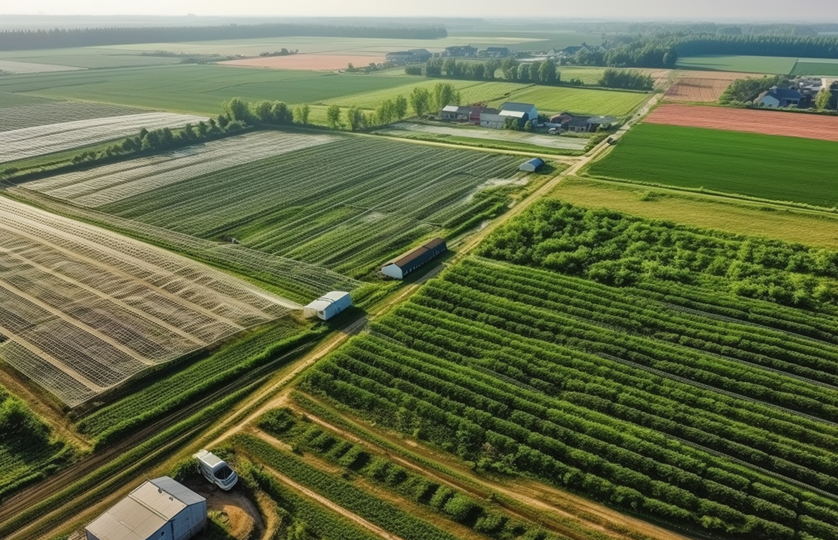
Vast paddy fields in Shenyang’s Shenbei New District have entered full-scale cultivation. Modern planting machinery operates continuously across the farmland, achieving precise and efficient rice transplanting. The district has consistently advanced smart and modern agricultural transformation in recent years, upgrading planting equipment and core cultivation technologies. Mechanised and intelligent operations greatly improve transplanting accuracy and field operation efficiency, delivering solid technical support for stable and high rice output.

Large-scale rice planting work is also well underway in Panjin City, covering a total rice planting area of 1.66 million mu. Intelligent transplanters travel across the fertile fields, completing standardised and uniform rice seedling placement. Local agricultural authorities fully implement integrated agricultural development strategies that combine improved seed varieties, high-standard farmland, scientific cultivation methods, advanced technologies and modern machinery to drive high-quality development of the rice industry.
Panjin’s ongoing rice transplanting campaign follows orderly progress across all planting zones and is scheduled for completion by the end of May. The systematic planting arrangement ensures full utilisation of seasonal sunlight, water and soil resources, laying a solid foundation for robust crop growth in the subsequent growing period.
The adoption of modern agricultural equipment and smart management systems has comprehensively transformed traditional rice cultivation in Liaoning. Continuous technological iteration and equipment upgrading effectively reduce manual labour input, standardise field management and enhance the overall capacity for resisting natural risks. The optimisation of agricultural production models further stabilises regional grain output capacity and promotes sustainable development of the local planting industry.
Local agricultural sectors will continue to promote the integration of advanced agricultural technologies and intelligent machinery in follow-up field management. Standardised cultivation procedures will be widely implemented to maintain orderly crop growth, further consolidate the advantages of modern rice agriculture and support steady progress in regional grain production capacity.