Modernised Rice Cultivation Bolsters Food Security in Xinjiang’s Wensu County
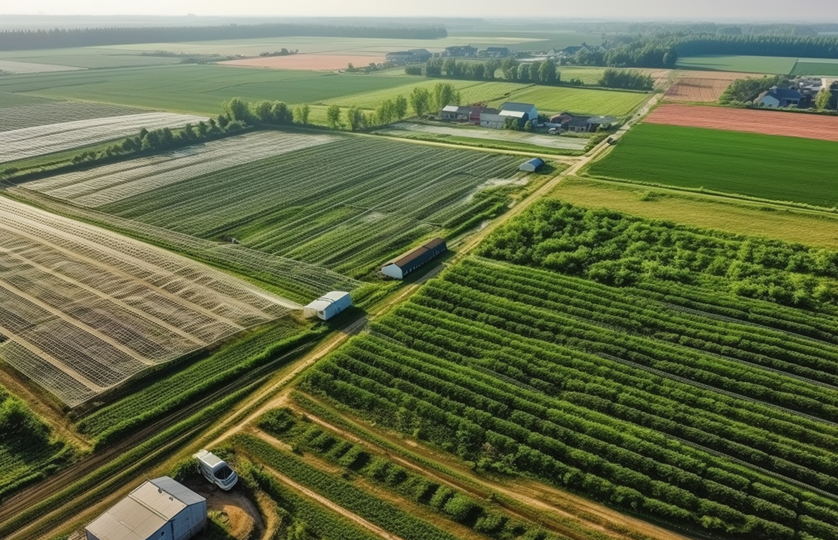
As spring planting progresses across northwest China, Wensu County in Xinjiang transforms over 80,000 mu of oasis farmland into vibrant green rice fields. As a typical agricultural hub in southern Xinjiang, the region advances the national strategy of securing grain output through improved land quality and agricultural technology, delivering steady progress in modernised grain production on desert-edge oases.
Large-scale rice transplanting operations are in full swing across local villages and scientific breeding bases. A 100-mu rice demonstration and breeding base operated by Xinjiang Jinfengyuan Seed Industry serves as a core research platform for regional rice innovation. The base is divided into specialised breeding and demonstration zones, focusing on the selection of high-quality rice varieties, the promotion of high-yield strains and the optimisation of adaptive cultivation techniques suitable for southern Xinjiang’s ecological conditions.
After more than two decades of dedicated research, local seed enterprises have developed a series of high-yield and salt-tolerant rice varieties. These improved strains effectively address historical limitations including insufficient premium seed resources and harsh planting conditions in Xinjiang, consolidating the foundation of regional seed security and enriching grain cultivation options across arid zones.

Traditional manual rice farming has been fully replaced by mechanised and intelligent agricultural workflows in Wensu. Local farmers widely deploy professional transplanting machines, drones for fertilisation and pesticide application, and intelligent field management equipment, greatly lifting agricultural efficiency. Mechanical operations can cover one mu of farmland per hour, with daily working capacity reaching 25 to 30 mu, far exceeding the efficiency of manual labour. Mechanised cultivation also substantially cuts production costs, forming a cost-effective modern farming model.
Located in a natural selenium-rich belt, Tawankuerbage Village boasts superior light, heat and water resources ideal for high-quality rice growth. The village has promoted standardized planting, green prevention and control technologies and fine rice varieties since 2013. New premium strains such as Xindao 19 have lifted per mu yield to around 800 kilograms, delivering superior grain taste and market competitiveness.
Preferential agricultural machinery subsidy policies support local farmers to upgrade production equipment. Government financial subsidies cover 30 percent of machinery procurement costs, easing household investment pressure. Many local farmers operate self-owned agricultural machinery to serve neighbouring farmland, creating stable additional income sources and vitalising rural sideline economies.
The county adopts an enterprise-farmer cooperative model to stabilise industrial development. More than half of local rice growers have signed long-term cooperation agreements with seed enterprises, accessing integrated services including improved seed supply, professional technical guidance and guaranteed grain purchasing. Purchasing prices for high-quality rice products remain higher than market benchmarks, effectively stabilising farmer incomes and boosting grain-planting enthusiasm.
Advanced agricultural technologies also attract young talent to local rural industries. Young farmers master intelligent agricultural skills including seedling cultivation, mechanical transplanting and drone operation, undertaking large-scale modern rice farming. Professional technical training programmes continuously improve young growers’ operational capabilities and industrial awareness, injecting new vitality into rural agricultural modernisation.
Wensu County continues to advance high-standard farmland construction and optimise agricultural socialised service systems. The transformation from manual intensive farming to large-scale, standardised and branded modern rice production strengthens regional grain production capacity, consolidating the foundation of national food security in China’s border areas.