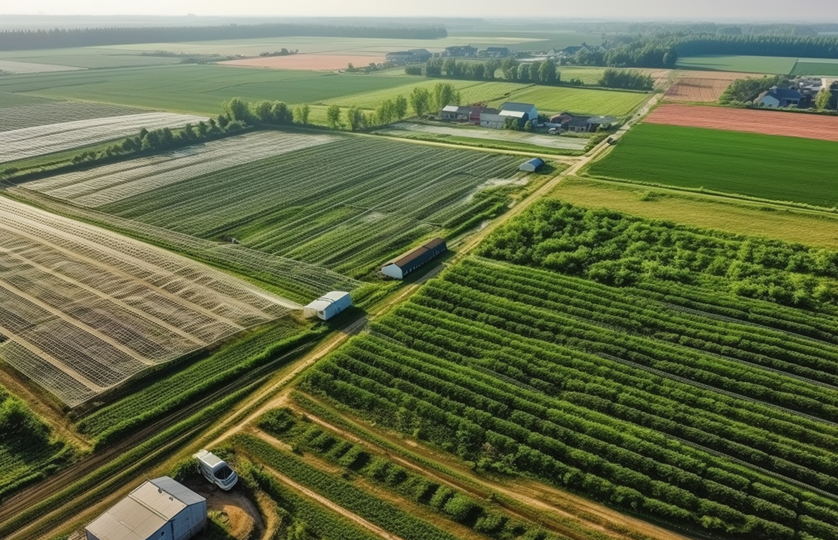
Yunnan upgrades flue-cured tobacco seedling cultivation with tech and market mechanisms
Lush and robust tobacco seedlings are thriving in greenhouse nurseries in Ninglang County, Lijiang City, southwest China’s Yunnan Province. As a pillar agricultural industry for local rural households, flue-cured tobacco cultivation underpins the annual income of thousands of local farmers. A series of refined technological and institutional upgrades targeting seedling management are driving comprehensive quality improvement in the county’s tobacco planting sector.
Located on the northwest Yunnan plateau, Ninglang County features high altitude gaps, slow spring temperature recovery and sharp day-night temperature differences. Low temperatures during the key seedling cultivation period from February to April previously hindered seedling growth, causing stunted seedlings, low emergence rates and inconsistent seedling quality. Poor seedling quality further led to prolonged recovery after field transplantation and unstable agricultural output.
Local nursery operators have adopted professional warm-light heating systems to tackle low-temperature constraints. Agricultural warm lights are installed inside greenhouses to raise bed temperatures by three to five degrees Celsius and supplement adequate illumination, boosting photosynthesis and creating stable growing conditions. Matching screen doors are deployed for temperature regulation, preventing high-temperature seedling damage at noon and abrupt temperature drops after sunset.
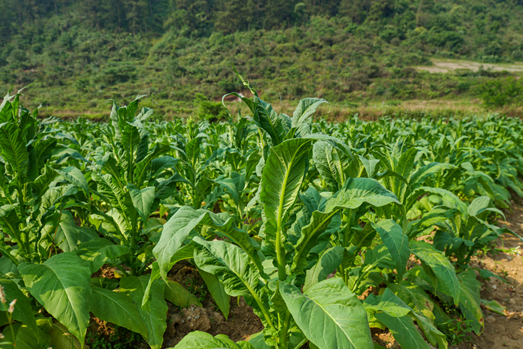
The temperature adjustment technology has effectively optimised seedling growth conditions. It shortens the overall cultivation cycle and greatly increases the proportion of strong seedlings. Local agricultural statistics show that upgraded nursery management lifts seedling emergence rates by over 2 per cent, with field transplantation survival rates exceeding 90 per cent, laying a solid foundation for stable field growth in subsequent stages.
Strict virus detection protocols form another core guarantee for seedling quality. Ninglang County has implemented mandatory pre-delivery virus testing for all tobacco seedlings since 2010. All seedling batches undergo proportional sampling and professional inspection by qualified institutions. Only fully qualified seedlings are supplied to farmers, while virus-infected seedlings are eliminated entirely to prevent large-scale field diseases and reduce farmers’ additional input on seedling replacement and pesticide application.
Beyond technological improvements, an innovative quality-based pricing mechanism further stimulates industrial vitality. Officially launched in 2023, the new pricing model adopts multi-party evaluation covering seedling robustness rates, standardised cultivation performance and farmer satisfaction. Differentiated supply prices are set according to graded seedling quality levels, directly linking nursery operators’ benefits to seedling quality.
The market-oriented mechanism encourages active self-supervision and refined management among nursery operators. Standardised and high-quality seedling supply has effectively lowered labour costs for farmers and improved planting efficiency. Overall tobacco seedling quality and farmer satisfaction in Ninglang County have seen notable improvements in 2026.
The integrated upgrade of temperature control technology, virus screening and quality-based pricing marks a shift from extensive to refined and high-quality plateau agricultural management. Continuous optimisation of seedling cultivation standards will further consolidate the development of local characteristic agriculture and stabilise rural household income growth.