Grain Fields Flourish as Xiaoman Marks Peak Agricultural Season
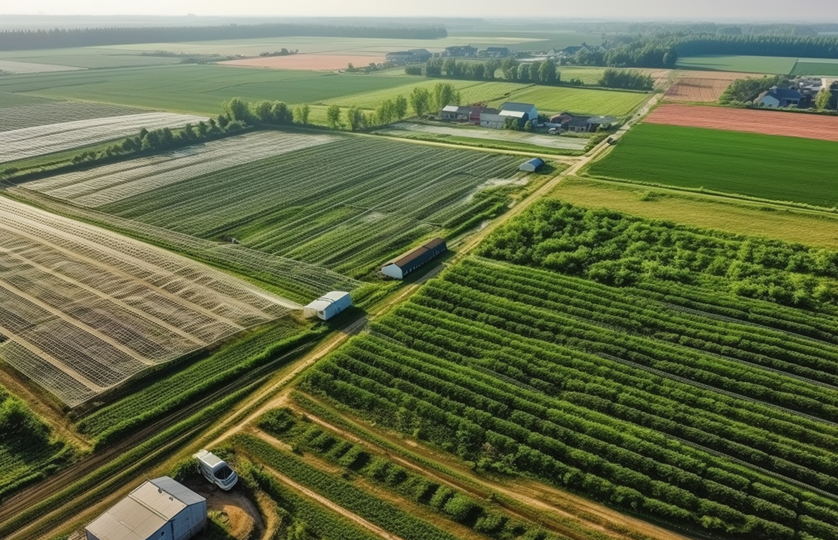
As Xiaoman, the second solar term of summer, sweeps across China, fields from the northern plains to the southern terraces burst with vitality, signaling a crucial phase for both harvesting and sowing. This period, marking a climate transition, has become a prime window for agricultural production, with modern technologies and systematic preparations weaving through the traditional farming rhythm.
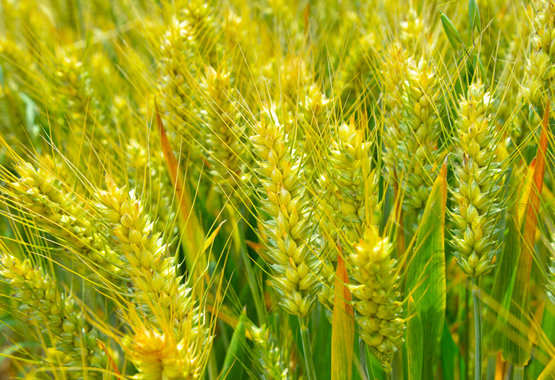
In Nanyang, Henan Province, over 4 million mu of winter wheat is ripening progressively from south to north. Combine harvesters rumble across the golden fields in Luozhuang Town, one of the earliest areas in Henan to start the summer harvest. Amid recent persistent rainy weather, local authorities have organized farmers to prioritize grain drying besides rushing the harvest. One grain grower is adjusting drying equipment that can handle 400 tons of wheat daily, ensuring neighboring farmers’ harvests remain safe even in extreme weather.
Xinhua reported that on May 20, the sun broke through after rain over the fertile lands of Guoyang County, Anhui Province. Wheat fields rolled in the breeze, and a grower checked the crops carefully in the mud. He noted the wheat, now in the late filling stage, had avoided lodging despite continuous rain and would be ready for harvest in early June. Across the Huang-Huai-Hai Plain, as temperatures rise, a modern grain collection chain integrating harvesting, drying and storage is operating fully, with harvesters deployed scientifically and storage facilities inspected thoroughly.
In contrast, southern regions, blessed with abundant rainfall, are in the prime time for rice transplanting. At a high-quality grain demonstration base in Qianjiang District, Chongqing, farmers bend over the water-soaked terraces, planting seedlings neatly in rows. The village has transformed from a depopulated village to a busy grain-producing area by upgrading 2,200 mu of farmland to high-standard fields, attracting large-scale growers. One farmer emphasized that mechanization and stable irrigation have boosted yields and made their local rice popular in the market.
Technological empowerment is evident in field management across the country. In Xingan County, Jiangxi Province, 340,000 mu of early rice enters the tillering stage. A young operator maneuvers an agricultural drone to spray pesticides efficiently, covering 300 to 400 mu daily—far outpacing manual work. The county now boasts 13 industrial seedling-raising centers and over 50,000 agricultural machines, greatly enhancing production efficiency.
In Yongji, Shanxi Province, over 150 agricultural drones are used for pest and disease control on 566,600 mu of wheat. Free drone services have saved a village more than 120,000 yuan. Advanced technologies such as meteorological big data alerts and AI pest monitoring have made soil moisture and crop growth digitally traceable. Agricultural experts confirm these measures have strengthened weak seedlings, laying a solid foundation for a bumper summer harvest.
In Heilongjiang’s Lindian County, a grower overseeing over 11,000 mu of corn and soybeans inspects the seedlings closely. He attributes his confidence in a good harvest to intensive planting methods and integrated water-fertilizer management.
From the golden wheat fields in the central plains to the green rice terraces in the south, and the thriving seedlings on the black soil, China’s farmlands in Xiaoman are brimming with the promise of a fruitful year, supported by the seamless integration of quality seeds, scientific practices and technological progress.