Golden Ears Rise from Saline-Soils: Tianjin's Agricultural Transformation
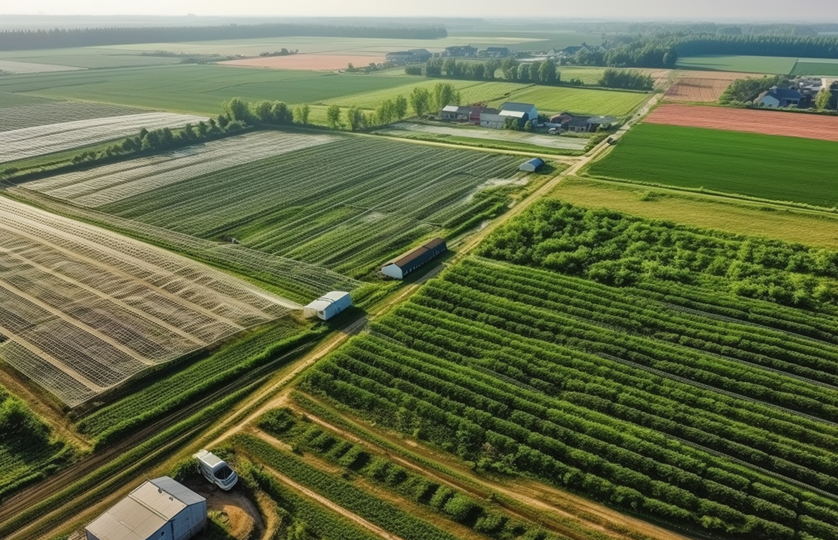
As early summer sun bathes the western shores of the Bohai Gulf, the once-barren fields of Tianjin's rural outskirts have burst into life. In Tanzhuang Village, Jinghai District, waves of plump wheat ears sway gently in the breeze – a striking contrast to the high-salinity, low-yield wasteland that existed here just years ago. Through persistent technological innovation and regional collaboration, Tianjin has turned agricultural weaknesses into strengths, boosting grain output and farmer incomes.
The city's coastal saline-alkali soils long restricted agricultural productivity, with traditional wheat varieties yielding meagre harvests. Aligning with the national strategy of "storing grain in land and technology", Tianjin focused on scaling up high-quality, industrialised cultivation of saline-tolerant wheat (hanjianmai) to unlock the land's potential, People's Daily Tianjin Channel reported.
Science and technology have been pivotal to this breakthrough. Breaking regional research barriers, Tianjin collaborated with institutions across Beijing-Tianjin-Hebei to introduce and test adaptable wheat varieties. After rigorous field trials, varieties such as Cangmai 6002 and Xiaoyan 156 have taken root successfully. cultivation techniques have advanced towards precision, ecological sustainability and smart agriculture, fundamentally reversing unstable yields and poor profitability.
Robust seeds require sophisticated cultivation methods. Targeting saline soil's tendency to re-accumulate salts and poor fertility, Tianjin developed a standardised local farming system. Scientifically designed irrigation and drainage ditches reduce salt levels, while bio-fertilisers, soil testing, deep ploughing and green pest control enhance soil quality throughout the growth cycle. Such measures have doubled yields in key Jinghai planting areas, with high-yield demonstration plots achieving record outputs. Land consolidation has created contiguous cultivation zones, amplifying economies of scale.
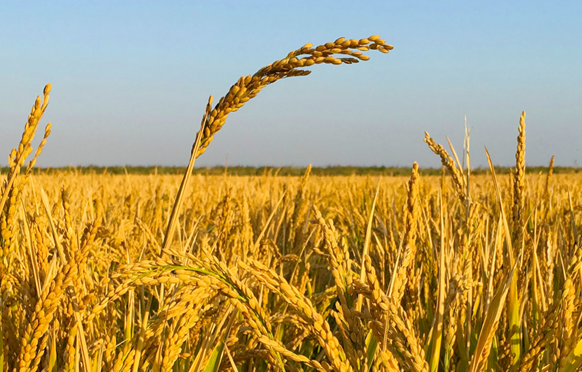
The harsh saline environment has unexpectedly endowed the wheat with superior quality. Its protein content reaches 13-16% and wet gluten exceeds 35%, with abundant calcium, potassium and zinc – all surpassing ordinary wheat standards, China News Service noted. This has driven industrial upgrading from raw grain sales to processed products like flour and noodles, forming a complete chain from breeding to direct marketing. At a recent Beijing-Tianjin-Hebei industry event, strategic cooperation between seed and food enterprises further connected production and sales.
Regional synergy deepens this transformation. The 2026 Beijing-Tianjin-Hebei Saline-Tolerant Wheat Development Seminar, co-hosted in Hebei's Qingxian and Tianjin's Jinghai, gathered over 160 representatives to share insights. Academy of Sciences academicians and experts released breeding achievements and technical plans, defining collaboration directions.
Tianjin now absorbs cutting-edge research from Beijing and Hebei while exporting its mature soil improvement and cultivation experience. Jinghai's standardised model has become a replicable template for efficient saline-alkali land use across the Bohai Rim, with products gaining popularity across China.# Technology Transforms Tianjin's Saline-Alkali Land Into Fertile Wheat Fields
In early summer, golden wheat waves roll gently across the contiguous farmland in Tanzhuangzi, Yanzhuang Town of Jinghai District, Tianjin, along the west bank of the Bohai Bay. The plump ears of wheat stand firmly in the fields, presenting a prosperous harvest scene. Few could imagine that this high-yielding farmland was once a typical saline-alkali wasteland with high soil salinity, poor fertility and almost no grain harvest.
Tianjin has been exploring comprehensive utilization of saline-alkali land through years of technological innovation, crop variety upgrading and planting model reform. It has successfully turned the once agricultural disadvantage into a distinctive strength for grain output growth and farmers' income increase.
Seed breeding serves as the core breakthrough for high yields on saline-alkali land. Tianjin has broken regional scientific research barriers and strengthened in-depth cooperation with scientific research institutes and seed industry platforms in the Beijing-Tianjin-Hebei region. After multiple field experiments and variety selections, high-quality salt-tolerant wheat varieties such as Cangmai 6002 and Xiaoyan 156 have taken root locally, People's Network reported.
Supporting cultivation technologies have also achieved systematic innovation and integration, moving toward precision, ecological sustainability and smart agriculture. These efforts have significantly raised the per unit yield of wheat on saline-alkali land in Tianjin.
To address the problems of easy salt return, low soil fertility and weak water and fertilizer retention capacity, Tianjin has abandoned extensive traditional planting methods. A localized and standardized technical system has been promoted, including scientific layout of irrigation and drainage ditches to reduce soil salinity through rational irrigation. New technologies such as bio-fertilizer improvement, soil testing-based formula fertilization, deep ploughing, timely precision sowing and green pest control have been fully applied throughout the whole process from soil improvement to field management.
In the core planting areas of Jinghai District, the per unit yield of drought-resistant and salt-tolerant wheat has doubled. Stable-yield fields consistently meet output standards, while high-yield demonstration fields keep breaking yield records. Dispersed saline-alkali plots have been integrated and managed uniformly, forming contiguous planting belts and highlighting the advantages of large-scale cultivation.
The unique growing environment endows Tianjin's drought-resistant and salt-tolerant wheat with rich nutrients, including high protein and wet gluten content as well as various trace elements essential to human body. This high-quality grain has become a popular raw material for grain and oil products in the market.
Tianjin has been extending the industrial chain, promoting the transformation from single grain sales to diversified intensive processing of flour, dried noodles and baked goods. A complete industrial chain covering seed breeding, large-scale planting, intensive processing and direct market sales has been established.
At the 2026 Beijing-Tianjin-Hebei High-Quality Development On-site Observation and Seminar on Drought-Resistant and Salt-Tolerant Wheat held in Jinghai and Qingxian on May 25, Qingxian Kenfeng Seed Industry and Xiaoyangren Group signed a strategic cooperation agreement on production and sales,