Yunnan Pioneers “Tea-PV Symbiosis” Model in Menghai, Boosting Rural Incomes and Green Energy
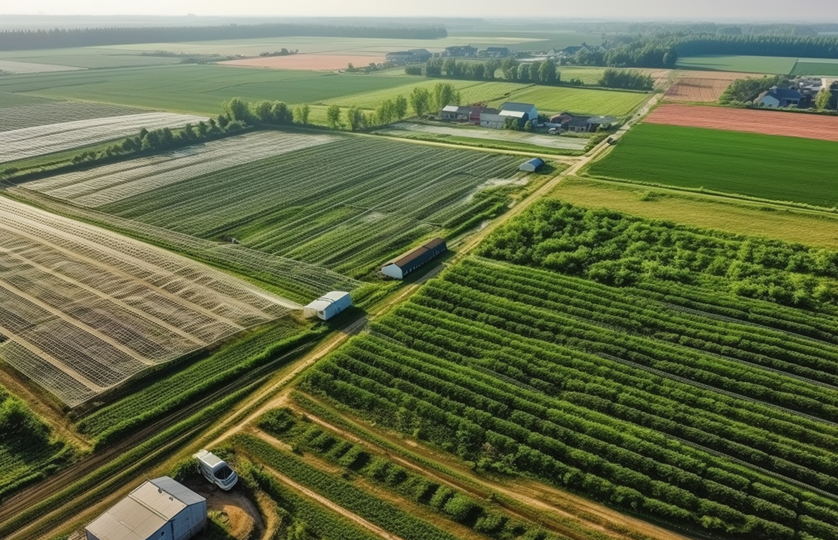
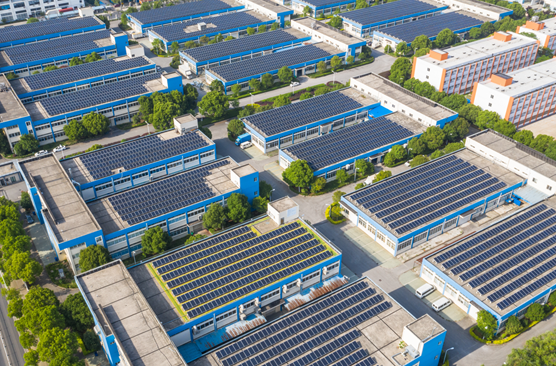
A 150-megawatt photovoltaic project spanning 5,800 mu of Pu’er tea plantations in Menghai County, Yunnan, has introduced an innovative “power generation above, tea cultivation below” model. Developed by Yunnan Energy Group’s research institute in collaboration with leading scientific institutions, the scheme uses IoT and big data to optimise solar panel layout, delivering clean energy while enhancing tea yields. The dual-land-use approach raises farmers’ incomes and creates a replicable blueprint for agri-photovoltaic integration in China.
Boosting Rural Incomes Through Smart Agriculture
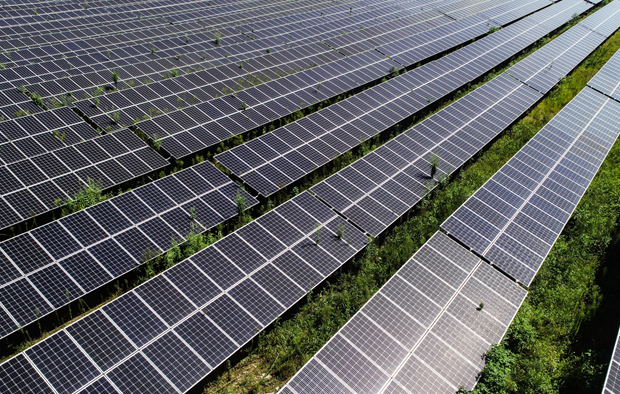
Xishuangbanna is a core Pu’er tea region with a thousand-year farming heritage. Tea plants thrive in diffused light and avoid direct strong sunlight—a biological trait that aligns perfectly with photovoltaic infrastructure. Elevated solar panels capture sunlight for electricity while shading tea bushes, improving leaf quality and enabling efficient land use.
The model resolves long-standing challenges for local farmers. Previously, tall shade trees competed for space and required costly maintenance. With solar panels in place, such upkeep is eliminated, cutting labour and material expenses. The project delivers both stable tea revenues and additional benefits from land leasing and power generation, strengthening livelihoods in rural communities.
Scientific Innovation Drives Optimal Integration
Tea-PV symbiosis represents a fusion of renewable energy and modern agriculture, boosting land productivity, supporting carbon neutrality goals, and advancing rural revitalisation. To address gaps in empirical data and investment clarity, Yunnan’s energy research institute partnered with the Yunnan Academy of Agricultural Sciences and Yunnan Normal University to identify the ideal balance between energy output and tea cultivation.
Researchers conduct detailed economic modelling, adjusting panel spacing and density to measure power generation, tea revenue, and carbon sequestration across different scenarios. Field trials compare test and control plots, monitoring plant growth, tea quality parameters such as amino acids and polyphenols, and microenvironmental conditions including temperature, humidity, and soil health.
Digital management systems deploy sensors across plantations to track weather, soil moisture, pests, growth metrics, and energy production in real time. Data visualisation platforms inform dynamic adjustments, refining the structural design of tea-PV systems for large-scale deployment.
Scaling a Replicable Green Development Model
From on-site implementation to scientific validation, the project translates laboratory research into practical gains. Precision measurements, continuous monitoring, and intelligent control optimise both energy and agricultural outputs, delivering tangible benefits to farmers.
As optimisation techniques mature, a scalable model for green energy and specialised agriculture is taking shape. Future work will deepen research into tea-PV integration, advancing AI-driven energy solutions and promoting smarter collaboration between photovoltaic systems and tea cultivation. The innovations will accelerate the transformation of scientific progress into sustainable rural growth, establishing a benchmark for green energy and rural revitalisation in Yunnan and beyond.