Green Tobacco Cultivation Takes Root in Qiubei, Yunnan
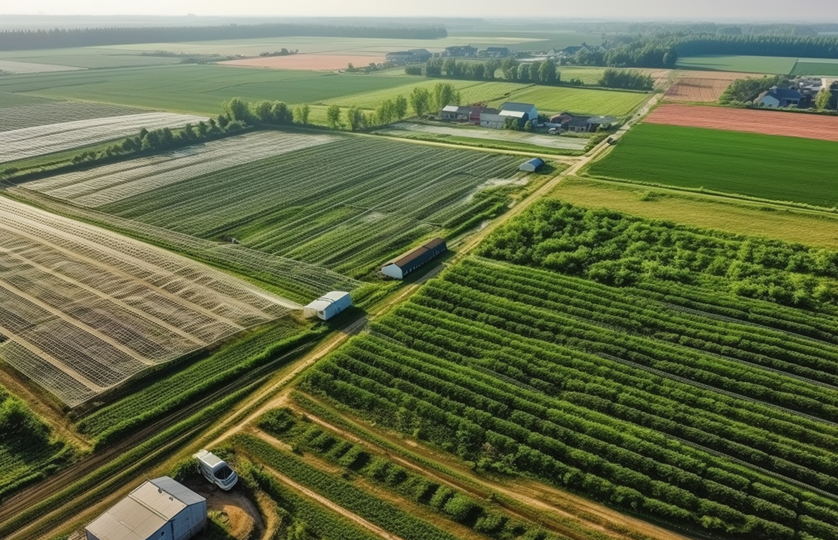
According to Xinhua News Agency, dawn breaks over Qiubei County, Wenshan Zhuang and Miao Autonomous Prefecture in Yunnan Province, where fertile fields stretch to the horizon under a bright sky. As modern agriculture advances, tobacco— a key cash crop for the local economy—undergoes a profound shift in cultivation practices, balancing ecological conservation with industrial upgrading. A green revolution is unfolding across Qiubei’s tobacco-growing areas, redefining sustainable tobacco development and creating a model where ecology and economy thrive side by side.
Precision Irrigation: Maximising Every Drop of Water
Traditional tobacco farming has long relied on flood irrigation, wasting water and degrading soil structure. The introduction of drip irrigation and integrated water and fertiliser systems has transformed field management from extensive to precise, boosting the efficiency of both water and nutrients.
In the Shupi tobacco area, narrow drip tapes weave through rows like capillaries, delivering water and fertiliser directly to plant roots. Local farmers acknowledge the clear benefits: the system saves water, reduces labour and improves crop resilience. Seedling survival rates and growth vigour rise, while overall production costs fall.
Local tobacco authorities have promoted the technology widely, guiding farmers to install pipelines and adjust equipment. Soluble fertilisers are mixed with irrigation water, minimising runoff and nutrient loss, and lowering the risk of non‑point source pollution. The approach achieves water and fertiliser savings alongside higher quality and yield.

Biological Control: Building Natural Defences Against Pests
Pest and disease management is critical in tobacco production. Reliance on chemical pesticides, while effective in the short term, leaves residues, harms soil and reduces natural predator populations. The green transition prioritises biological control over synthetic chemicals, establishing an ecological balance between farming and nature.
Natural predators such as aphid wasps and Trichogramma wasps are released systematically to target pests. Aphid wasps parasitise aphids, while Trichogramma lay eggs inside moth pests, interrupting reproduction at the source. Complementary measures include predatory mites against thrips, predatory stinkbugs against leaf pests, and plant‑derived antiviral agents to strengthen plant resistance. The “four insects and one preparation” strategy enables targeted control, cuts pesticide use drastically and eliminates residue risks, forming a sustainable cycle of reduced chemicals, better quality and higher efficiency.
Green Manure: Revitalising Soil Naturally
Healthy soil is the foundation of strong tobacco. Continuous cropping and excessive chemical fertiliser use have led to soil acidification, compaction and declining fertility. Green manure and soil conservation practices restore degraded land by replenishing organic matter naturally.
After harvest, fields are sown with leguminous crops such as Chinese milk vetch, vetch and alfalfa. These plants fix nitrogen from the air, supplying the equivalent of 15–20 kg of nitrogen fertiliser per mu. Before spring planting, the green manure is ploughed into the soil, improving structure, increasing organic content and enhancing water and nutrient retention.
The tobacco‑green manure rotation raises soil organic matter, regulates pH levels and reduces fertiliser expenditure. The practice breaks the cycle of declining soil quality, supporting long‑term land productivity.
From precision irrigation and targeted biological control to green manure rotation, local tobacco authorities embed green principles across the entire production chain. Ecological protection and industrial development reinforce each other. As fields become models of harmony between people and nature, and green defines high‑quality tobacco, Qiubei’s tobacco sector advances toward a sustainable future, proving that fertile land can deliver both ecological health and economic prosperity.