China’s Summer Grain Harvest Scales Up, Digital Drying & Green Storage Secure Output
As China’s summer grain harvest gathers pace, purchasing operations are rolling out from the south to the north. Persistent rainy weather across many regions since mid‑May has prompted widespread efforts to accelerate drying and boost warehouse capacity to mitigate adverse impacts on crops.
At a grain enterprise in Tianmen, Hubei Province, trucks loaded with wheat arrive in steady succession. Each load undergoes weighing, sampling and moisture testing before moving to cleaning and drying zones. The purchase price for wheat stands at 1.25 yuan per jin, largely unchanged from last year.
Unfavourable weather has extended drying times. Wheat that normally takes around 12 hours to dry now requires 15 to 18 hours. The facility operates 24 hours a day with a daily drying capacity of 8,000 tonnes, providing external drying services as local purchases near completion. Digital transformation of drying, cleaning and processing equipment enables automated moisture recognition, replacing manual sampling and testing.
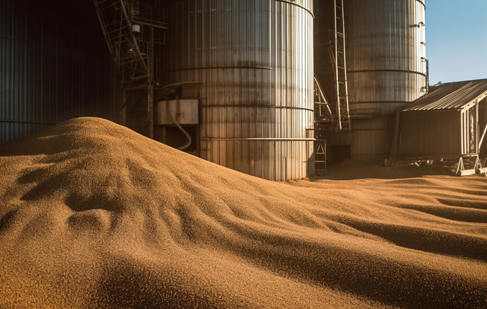
In Zhejiang Province, a grain storage branch in Liangzhu has concluded its purchasing phase. Higher mechanisation and digital systems have accelerated progress compared with the same period last year. Continuous rainfall has posed challenges with wet grain surpluses, rather than direct yield or quality damage. The site runs round‑the‑clock, using the Zhejiang Granary system to streamline operations and reduce waiting times for farmers.
Safe storage after drying marks a critical stage in safeguarding grain supplies. Upgrades focus on technological innovation and loss reduction. Full‑process digital management covers intake, quality inspection, settlement and dispatch, with real‑time data uploading and automated anomaly alerts. Advanced green storage techniques maintain low temperatures to suppress pests, alongside nitrogen‑based physical disinfestation. Every 10,000 tonnes of stored grain reduces losses by tens of tonnes annually, cutting both waste and energy consumption.
During the 2026 National Grain and Material Reserves Science and Technology Week, the State Administration of Grain and Material Reserves released over 130 outstanding scientific and technological achievements and application cases for the 14th Five‑Year Plan period. For the 15th Five‑Year Plan period, the administration will deepen integration of scientific and technological innovation with industrial development, promote commercialisation of research outcomes, and deliver stronger technological support for national grain security.