Blueberries Transform Barren Hills into Thriving Green Economy in Qiandongnan, Guizhou
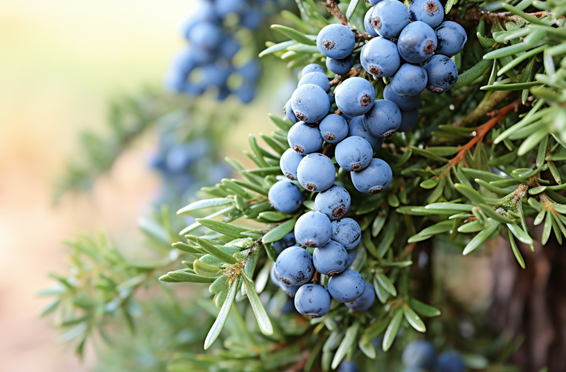
According to local provincial news outlets, blueberries are fully ripe across Longshan Town’s Blue Dream Valley scenic area in Majiang County, Qiandongnan Miao and Dong Autonomous Prefecture.Rows of blueberry bushes sway gently in the breeze, heavy with frosted dark blue berries that draw large numbers of tourists from across the region.Visitors join picking activities and witness a remarkable ecological turnaround that has unfolded over more than two decades.Groups of returning visitors travel regularly to the orchard for fresh berry picking and outdoor family activities.
Local villagers are equally busy amid the harvest season, reaping tangible benefits from the crop that reshaped the local landscape.The steep hillsides were once bare and unsuitable for farming.The introduction of blueberry cultivation turned barren slopes into productive berry plantations, improving local scenery and boosting tourist arrivals.
Long-term growers run on-site picking experiences and operate live-stream sales on short video platforms to lift household incomes steadily.Blueberry bushes possess extensive root systems that lock soil firmly in place.Planted widely across areas affected by rocky desertification, the crop curbs soil erosion and lifts forest coverage rates at the same time.
Targeted soil management methods including organic fertiliser application and precision soil testing have continuously lifted soil fertility and fruit quality.Official statistics record the forest coverage rate in local blueberry zones rising to 67.36 per cent, with excellent air quality hitting 98.54 per cent of the year.Former ecologically degraded hills have evolved into a sustainable natural asset.
The plant stabilises soil, conserves water and regulates local microclimate, forming a solid ecological buffer zone for the whole prefecture.The successful blueberry model has expanded beyond Majiang to neighbouring counties including Danzhai, Huangping, Shibing and Zhenyuan, all leveraging mountain terrain for berry cultivation.
By the close of 2025, the prefecture’s total blueberry planting area exceeded 150,000 mu, forming Guizhou’s largest concentrated blueberry industrial cluster.Denuded hillsides are now covered in green vegetation, and remote mountain valleys have become productive fruit belts releasing lasting ecological dividends.Improved ecological conditions and mature industries have persuaded many migrant workers to return home and join local blueberry cultivation.
New entrants lease large plots of plantations and master growing techniques within a short space of time, achieving stable annual profits soon after establishment.Majiang has built a balanced industrial layout split between fresh fruit sales and deep processing.
A 70–30 split between processed output and direct fresh sales solves the constraints of short shelf life and concentrated harvest periods for raw berries.Greenhouse facilities adopt soilless substrate cultivation and intelligent integrated water and fertiliser control systems.Protected crops ripen nearly three months earlier than field-grown berries and secure earlier market access.
The full industrial chain shortens delivery cycles and expands downstream processing capacity simultaneously.Automated AI sorting lines and NFC cold pressing production lines operate round the clock at local food processing facilities.
Frozen berries and organic blueberry puree sell strongly on domestic and overseas markets, with shipments reaching South Korea, Canada, Russia and multiple Southeast Asian nations.
Cumulative export turnover has reached 22 million yuan.Finished blueberry puree was selected as energy supplement supplies for a major international sports event closing ceremony, while daily online orders exceed 2,000 units.
New processed items including sugar-free dried berries and liquid anthocyanin oral solutions are scheduled for launch shortly.Majiang’s blueberry planting area stands at 90,300 mu with an annual output of 42,000 tonnes.The total output value of local blueberry processing businesses nears 300 million yuan.
The produce has evolved from raw fruit sales to branded deep-processed goods, and Majiang Blueberry holds official national geographical indication product certification with steadily rising brand value.The 4A-level Blue Dream Valley scenic area blends berry picking with themed homestays, local farmhouse catering and family leisure experiences.
City visitors book weekend getaways and take part in hands-on fruit harvesting, extending their stay and driving growth in local tourism consumption.The blueberry industry has grown from a single county pilot to a prefecture-wide thriving sector.Local development has shifted from growth gained at environmental cost to expansion supported by ecological optimisation.
The small blueberry delivers combined ecological, economic and social gains, supplying steady green momentum for rural revitalisation and fostering integrated prosperity across local communities.