Tongxiang pioneers comprehensive green agricultural transformation in Zhejiang’s rural revitalisation drive
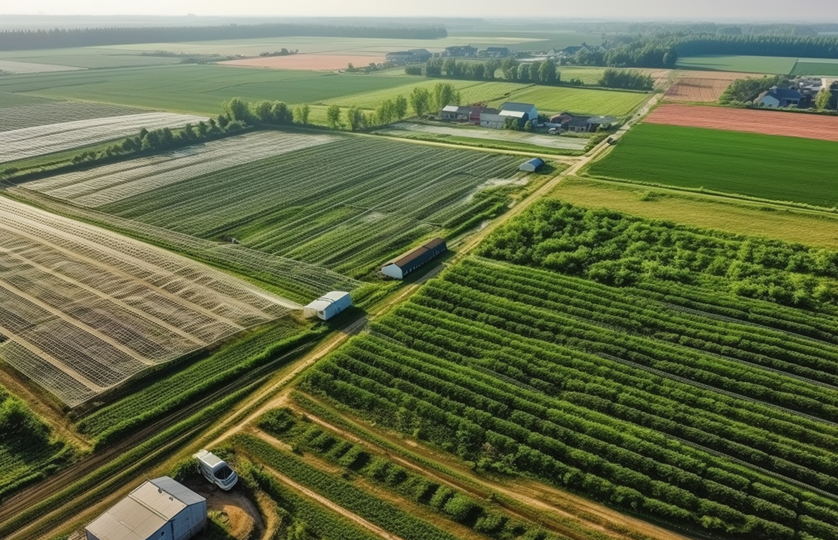
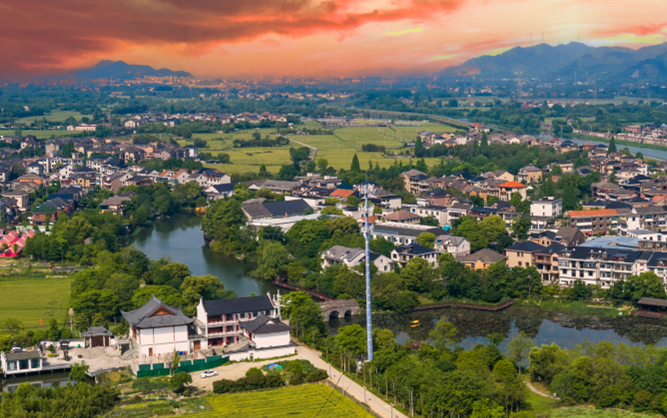
Blending classical water-town scenery with modern eco-friendly agricultural development, Tongxiang in Zhejiang Province has built a distinctive model of rural green transformation by integrating ecological protection, efficient agricultural production and leisure rural tourism. The city has formed a complete circular agricultural industrial system centred on straw recycling, livestock waste resource utilisation and integrated rice-fishery breeding, unlocking new growth momentum for rural industries and ecological development.
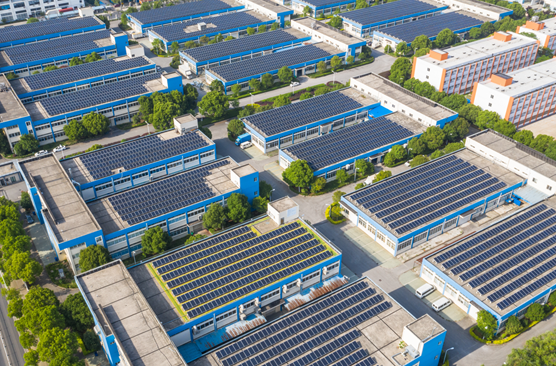
A major milestone for local green development came last year, when a 21-mu straw comprehensive utilisation centre was completed and put into operation in Minhe Village, Wuzhen Town. The facility can process more than 10,000 tonnes of rice and wheat straw annually from Tongxiang and surrounding areas, generating an annual output value of 4 million yuan. According to field inspection results released at the Zhejiang Provincial Agricultural and Rural Comprehensive Green Transformation Development Promotion Conference recently held in Tongxiang, the city’s crop straw comprehensive utilisation rate reached 98.1 percent last year, with an off-field utilisation rate of 48 percent, 10 percentage points higher than the provincial average level.
Tongxiang prioritises coordinated development of production, living and ecology in its agricultural and rural upgrading. In Shifeng Village, Shimen Town, modern ecological breeding standards have been fully implemented in local pastures to deliver high-quality agricultural products. The pork produced locally adheres to strict breeding specifications with no antibiotics, heavy metals, growth promoters or sedatives used throughout the feeding process. With a full growth cycle of eight months, the meat achieves superior flavour and safety quality, meeting high-end consumer demands for healthy agricultural produce.
Innovative waste recycling technologies have resolved the environmental challenges of livestock breeding and built a low-carbon circular breeding model. Local agricultural operators have developed microbial liquid fertiliser and pig manure carbon processing technologies, converting livestock manure into high-value products including organic fertiliser, degradable mulch film and carbon cotton. A fertiliser returning base covering over 2,000 mu has been established to realise on-site recycling and zero-emission utilisation of livestock waste, forming a closed-loop ecological breeding system.
Chongfu Town in Tongxiang hosts Zhejiang’s largest single-scale integrated rice-fishery breeding base. Differentiating from traditional single-production agricultural bases, the Hongwang rice-fishery base combines ecological planting with rural leisure experience. Visitors and local villagers can enjoy crayfish fishing experiences on-site throughout the year. The base has built an ecological planting research platform in cooperation with Zhejiang University, conducting practical research on field productivity maintenance, soil fertility preservation, carbon emission and carbon sequestration optimisation.
By integrating rice-shrimp crop rotation with catering services, agricultural experience and leisure tourism, the base has held crayfish festivals and fishing competitions for five consecutive years, receiving over 20,000 tourists annually. In Puyuan Town, standard high-standard farmland demonstration zones integrate grain production, ecological conservation and sightseeing functions. Crop straws are recycled into cultural and creative products, attracting large numbers of tourists. Twelve professional operation teams in Tongxiang have promoted the transformation of farmland into scenic spots and rural areas into parks, fostering more than 70 green health and rural camping business formats. The city received over 9 million rural tourism visitors last year, with operating revenue exceeding 1.2 billion yuan.
Tongxiang’s green agricultural development represents the overall progress of Zhejiang’s rural ecological upgrading. The province has coordinated carbon reduction, pollution control, ecological expansion and industrial growth, achieving twelve consecutive years of declining chemical fertiliser and pesticide usage. Key agricultural ecological indicators including livestock waste resource utilisation rate, straw comprehensive utilisation rate, pesticide packaging waste recycling rate and safe utilisation rate of polluted farmland all rank among the highest nationwide. Since the launch of the 14th Five-Year Plan period, Zhejiang’s cumulative investment in agricultural green development has exceeded 5 billion yuan.
Zhejiang’s agricultural and rural authorities will further optimise the provincial agricultural development layout. The province will accelerate the formation of a low-carbon production mode, efficient resource utilisation, circular industrial system and ecologically pleasant rural environment, consolidating the foundation for building an efficient ecological agricultural province and advancing high-quality rural revitalisation and common prosperity development across the region.