Shandong’s crop rotation model delivers dual grain and tobacco harvests for rural farms
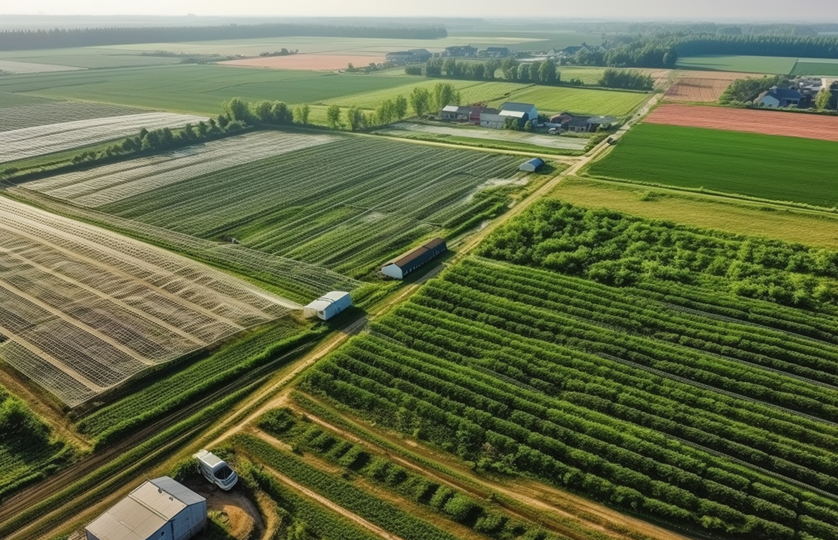
Summer farmland in Changle County, Weifang City in Shandong Province presents a striking dual landscape of golden wheat fields and lush green tobacco seedlings. As combine harvesters operate across rural fields to gather ripe wheat, newly transplanted tobacco crops thrive on adjacent plots, forming a well-balanced ecological planting scene that boosts local agricultural output.
The diversified harvest pattern stems from an innovative grain-tobacco integrated development model promoted locally in recent years. Traditional tobacco planting practices once left farmland idle for months after annual tobacco harvesting. Continuous monocropping also caused soil compaction and declining land fertility, restricting long-term agricultural productivity. The upgraded crop rotation system rearranges field layouts scientifically and adopts staggered planting cycles to realise sustainable and coordinated development of grain and cash crops.
The local agricultural authority has rolled out systematic rotation mechanisms including tobacco-wheat, tobacco-oilseed and tobacco-medicinal plant planting cycles. Rotational farming allows farmland to recuperate periodically while maintaining stable annual output. Fields used for tobacco cultivation in one year are converted to wheat planting the next season, and wheat fields are replanted with tobacco seedlings in subsequent cycles. The circular arrangement effectively preserves soil fertility and avoids the land degradation risks associated with long-term single crop cultivation.

Professional technical guidance underpins the efficient operation of the rotation system. Field technicians conduct regular on-site inspections, recording detailed field archives covering planting cycles, crop replacement schedules, harvesting timelines and land preparation arrangements for every household. Customised rotation plans are formulated according to individual field conditions to ensure targeted and scientific planting management.
Local farmers have obtained tangible economic and ecological benefits from the optimised planting mode. Rotational cultivation improves tobacco growth conditions and leaf quality while reducing chemical fertiliser usage. Lower input costs and upgraded crop quality jointly lift overall planting returns. Cyclical land utilisation maximises unit field output and stabilises rural household agricultural income throughout the year.
Practical support measures have been put in place to guarantee smooth summer grain harvesting. Vacant hardened sites and seedling greenhouses at local tobacco stations are fully opened to surrounding farmers, offering dedicated drying spaces for newly harvested wheat. The arrangement solves the seasonal shortage of drying venues and prevents grain losses caused by rainy summer weather, ensuring efficient post-harvest processing and safe grain storage.
The integrated grain and tobacco planting model combines ecological conservation, stable grain production and industrial income growth. It optimises local agricultural planting structures, revitalises rural land resources and builds a solid foundation for sustained rural industrial prosperity in Shandong’s agricultural regions.