Ancient Tea Heritage Site in Pan’an Writes Fresh Chapter Through Integrated Tea, Agriculture and Cultural Tourism
Yushan Ancient Tea Plantation, built against rolling hills in Matang Village, Yushan Town, Pan’an County, Zhejiang Province, boasts orderly architectural layouts and profound historical charm. First constructed during the Song Dynasty, the compound integrates tea trading, folk rituals and tea culture dissemination, widely recognised by industry insiders as a living fossil of Chinese tea civilisation. Gan Chachang, the age-old folk custom nurtured by the ancient tea complex, forms a core component inscribed on UNESCO’s Representative List of the Intangible Cultural Heritage of Humanity. The historic venue now embarks on innovative development under the integrated model linking farming, culture and tourism.
On 12 June, ahead of the 2026 Cultural and Natural Heritage Day, a special folk performance of Gan Chachang alongside live demonstrations of traditional tea-making crafts opened in Pan’an. The centrepiece of the event, the Dragon-Tiger Giant Flag Raising Ceremony, drew five teams clad in traditional costumes to take up positions across the venue. Upon a single command, giant banners painted with dragon and tiger totems rose slowly through collective manpower, billowing in the breeze to recreate the grand scene captured in Qing Dynasty verse referencing thirty-metre flagpoles reaching skyward. Each banner covers an area equivalent to one mu of farmland, requiring nearly one hundred participants working in unison to hoist, accompanied by resonant drum and gong rhythms that fill the air.
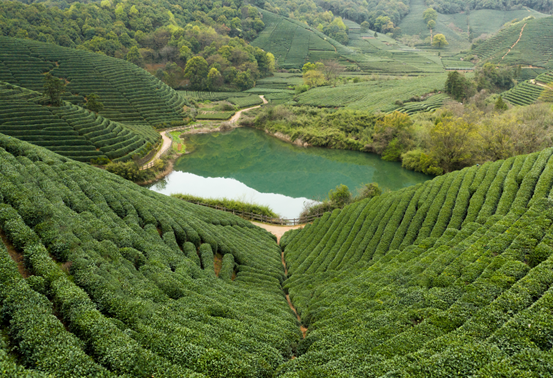
Visitors touring the site may also immerse themselves in full-scale re-enactments of Song-era tea markets and wander pop-up stalls showcasing intangible cultural heritage merchandise. The multi-faceted programme of performances, hands-on activities, retail spaces and experiential workshops fully illustrates the profound historical depth of Pan’an tea culture, alongside flourishing contemporary progress in local heritage preservation. Pan’an stands as a prominent hub within Zhejiang’s tea industry network, holding 84,800 mu of tea plantations across the county, with more than one-third of the local labour force engaged in tea cultivation, processing and commerce.
During the exchange forum themed “Discover Zhejiang as a Global Tea Hub: Conservation of Tea Culture and Rural Shared Prosperity”, local officials outlined three core strategies driving high-quality tea sector advancement in Pan’an: expanding planting scales to consolidate industrial foundations, developing complete industrial chains to unlock greater value, and advancing cross-sector integration to activate diversified economic growth streams. The tea industry remains a core pillar supporting rural revitalisation and local income growth, with widening production scales and rising operational efficiency opening new avenues to raise household living standards across rural communities. It ranks among the county’s most extensive, widely influential industries benefiting the largest number of residents.
Thousands of years of cultural legacy deliver profound cultural capital for Pan’an’s tea industry, simultaneously creating rich commercial returns through cross-sector tourism collaboration. Local authorities have rolled out systematic development plans centred on integrated tea tourism in recent years, constructing comprehensive tea plantation zones combining commercial cultivation, leisure sightseeing and recreational spaces. The creative cultural initiative themed “Master Xu Xun as Curator” has spawned a full range of tourism offerings built around the Xu Xun cultural IP, including health-themed feasts and dedicated wellness tea tour itineraries. Official tourism statistics record 4.437 million tourist arrivals across Pan’an throughout 2025, generating aggregate tourism revenue exceeding 4 billion yuan.
Tea culture shapes public quality of life and regional cultural landscapes, per remarks delivered by senior heritage specialists. The rituals of Gan Chachang serve dual purposes: preserving the spiritual essence of tea civilisation and revisiting the core values embedded within this centuries-old custom. Stewardship and intergenerational transmission of China’s intangible cultural heritage, including tea-related practices, create lasting cultural nourishment and spiritual strength accessible to future generations.
Pan’an will keep refining integrated industrial frameworks spanning tea cultivation, cultural storytelling and scenic tourism development in the months ahead. Expanded heritage exhibition events, upgraded immersive tea experiences and diversified cultural tourism product lines will sustain balanced growth across agricultural output, cultural inheritance and rural economic expansion.