Floral Sector Delivers Stable Rural Incomes as Xingshan Village Builds Integrated Horticulture Industry in Jilin
According to Farmers’ Daily field reporting from early summer, greenhouses dedicated to flower cultivation in Xingshan Village, Huancheng Subdistrict, Shulan City, Jilin Province, are filled with flourishing seedlings in full bloom. Local villagers carry out seedling lifting, transplanting and packaging in tight alignment with seasonal schedules, forming a bustling agricultural scene. This small-scale floral industry has established a steady income stream and become a core driver of comprehensive rural revitalisation across the locality.
The village has leveraged its established protected agriculture infrastructure and adjusted its agricultural industrial layout over recent years to develop a specialised ornamental flower economy. Seven standardised greenhouses support large-scale, professional cultivation of landscape varieties including impatiens and begonia, with an annual seedling output capacity reaching one million robust specimens tailored to urban greening markets.
A forward contract production and sales framework has been rolled out to insulate village revenues against volatile market pricing. Cultivation volumes are calibrated strictly to demand from municipal landscaping projects and environmental upgrading works for institutional premises, delivering stronger market competitiveness and risk resilience for the horticulture operation. More than 700,000 finished flower seedlings have completed transplanting, quality inspection and delivery to contracted buyers, with remaining batches scheduled for staggered dispatch to match agreed order timelines, forming a fully closed and efficient production-to-sale chain.
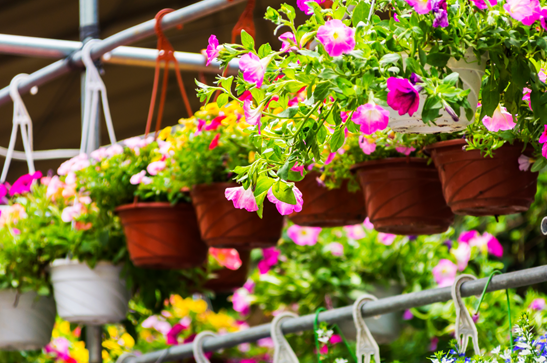
Parallel expansion of cultivation capacity has been paired with systematic quality improvements and full industrial chain refinement. Field management protocols have been refined, seedling breeding technical standards upgraded, and regular on-site cultivation guidance delivered to lift survival rates and product consistency. Supplementary value-added services covering landscape design and site arrangement have also been developed, guiding the village floral sector toward large-scale, specialised and premium-grade production and injecting fresh vitality into traditional agricultural operations.
All floral output targets municipal green spaces, industrial park landscaping and institutional environmental renovation projects. Forecasts place collective village revenue growth at 300,000 yuan per full operating cycle. The expanding horticulture enterprise strengthens collective economic resources while generating local casual employment positions, enabling residents to secure stable earnings without long-distance travel for work and translating specialised agricultural strengths into sustained rural development momentum.
A rotational cropping system alternating flower seedlings and seasonal vegetables maximises utilisation of greenhouse land resources. Once each batch of floral stock is shipped out, vegetable varieties are planted immediately to maintain year-round productive output within covered facilities. This arrangement eliminates idle growing cycles common in protected agriculture and lifts overall land productivity and economic returns from fixed greenhouse assets.
Floral cultivation has converted local ecological and land resources into tangible revenue channels, opening dual income avenues for village collectives and resident households. Village authorities will continue refining contract sales mechanisms, upgrading breeding technology and expanding rotational crop arrangements to sustain balanced growth within the integrated protected agriculture system across coming growing seasons.