New Wheat Variety Jimai 34 Delivers Impressive Yields Despite Late Sowing from Autumn Floods
As reported by China National Radio, a newly bred wheat strain developed in Shandong province has recorded outstanding output levels after enduring delayed planting brought on by heavy autumn flooding last year, delivering stable harvests for local grain growers.
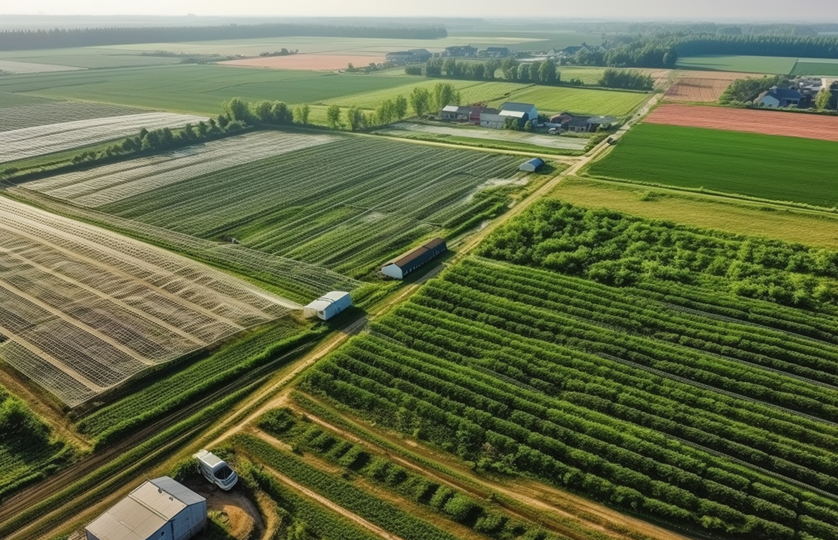
Harvesting operations unfolded on 16 June across wheat fields in Xiangzhou No.4 Village, Zhucheng City under Weifang, where golden wheat grains poured out from combine harvesters onto the ground. A professional agricultural co-operative operating within the village has cultivated Jimai 34 for three consecutive growing seasons, with plans to expand its planting scale in the coming autumn sowing cycle.
A panel of yield assessment specialists followed full-scale field measurement standards laid down by the Ministry of Agriculture and Rural Affairs for high-yield crop validation work. The team harvested grain from a 22.51 mu plot, collecting a total of 23,890 kilograms of fresh wheat kernels. After removing impurities and adjusting moisture content to the standard 13 per cent, the verified average yield reached 856.05 kilograms per mu.
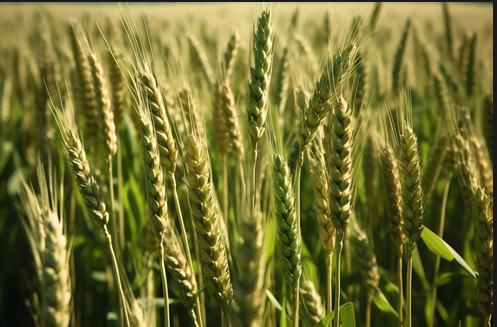
Widespread late sowing affected most wheat fields across the region last year due to prolonged autumn floodwater, leaving many growers uncertain about potential harvest losses. Consistent performance across varied weather conditions in recent years has established Jimai 34 as a dependable crop choice, offering growers greater certainty amid volatile climate patterns.
Jimai 34 is a high-yield, disease-resistant and widely adaptable wheat strain newly developed by the Crop Research Institute of Shandong Academy of Agricultural Sciences. It secured provincial crop variety approval in 2023 and has passed preliminary national and Tianjin municipal evaluation procedures. The breeding team outlines its core advantages as “one high, two stable and three resistant” traits.
The single standout strength lies in its remarkable yield potential, with controlled field trials previously recording a peak output of 922.39 kilograms per mu. The two stable characteristics cover consistent yields across different field plots and growing seasons, alongside steady grain counts per ear that guarantee reliable seed setting.
Its three resistance attributes include lodging tolerance, cold hardiness and robust defence against common wheat diseases. The strain’s strong capacity to thrive under late sowing schedules becomes fully evident through its strong harvest results following last autumn’s planting delays.
The Crop Research Institute of Shandong Academy of Agricultural Sciences has centred its wheat breeding research on four core directions: high yield with broad adaptability, strong gluten quality, stress and disease resistance, and nutritional grain characteristics.
More than forty new wheat varieties have been brought to market via this research framework, with multiple strains ranking among the most widely promoted wheat cultivars at national and provincial levels.
A complete portfolio of Jimai series wheat varieties underpins sustained rises in average grain output across large planting zones and stabilises income streams for farming households, advancing the industry’s shift from securing basic food supply to producing high-quality, nutritionally balanced grain produce.
Breeding teams at the institute will keep refining germplasm resources and rolling out updated wheat varieties with enhanced resilience against extreme weather, to support consistent grain production across northern China’s major winter wheat belts. Agricultural extension bodies across Shandong will step up promotional demonstrations of Jimai 34 this autumn, distributing technical guidance to encourage wider adoption among co-operatives and individual growers.