Rural Community Volunteer Initiatives Flourish in Lushi County as Integrated Civilisation Centres Meet Local Needs
According to local official news outlets, a bustling community civilisation fair drew more than 3,000 residents to the public square of Xingxianli Community in Lushi County, Henan Province, on the afternoon of 29 June. The packed event staged folk performances, intangible cultural heritage displays, free medical consultations, complimentary haircuts and legal outreach sessions, catering to visitors of all ages amid lush mountain scenery in western Henan’s high summer.
Elderly attendees carried free local buckwheat pouches distributed on site, describing the gathering as a joyful communal occasion that delivers tangible daily support alongside cultural enrichment. Lushi County was designated a national pilot zone for New Era Civilisation Practice Centres back in 2019, and has since pioneered an integrated operational model that links civilisation practice hubs with integrated media facilities to deliver mutual benefits. A three-tier network now spans the county, covering one central practice headquarters, nineteen township-level sub-centres and 179 village and community service stations. More than 3,000 themed events run across the network each year, drawing over 100,000 resident participants in total. The county’s long-running programme design work targets accessible, rewarding activities that maintain steady local engagement.
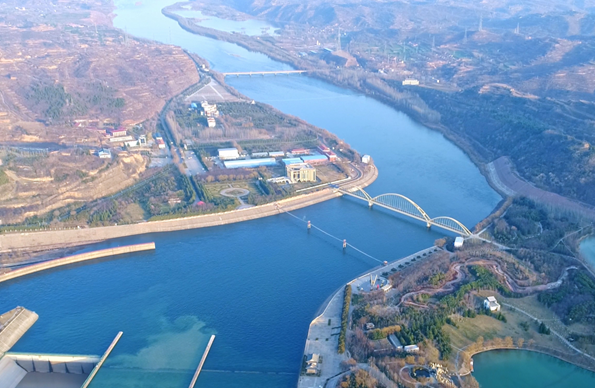
The county stretches 4,004 square kilometres across mountainous terrain, with the remotest villages sitting over 100 kilometres of winding mountain roads from the county seat. Early civilisation practice stations faced limited footfall, with many venues standing idle after official launch, or hosting formulaic briefings that failed to resonate with local residents. Frontline outreach visits identified clear unmet local demands, including laundry support for isolated seniors, free hair care services and accessible technical training for fruit growers. All subsequent programme planning aligns closely with grassroots practical requirements.
Two forms of integration underpin the county’s revamped civilisation service framework. Shared premises host both civilisation practice and media operations, with joint resource pools and unified content development. Online cloud lecture channels publish short instructional videos covering agricultural techniques, public health guidance, anti-fraud reminders and updated local customs, extending policy outreach to remote mountain households. Over ten million yuan has been invested in offline infrastructure upgrades, including dedicated training bases, themed public parks and virtue culture zones, with civic role model displays woven into public landscape installations. As an old revolutionary base area, Lushi retains strong community solidarity traditions, and regular county-wide training sessions equip village station operators to design down-to-earth, popular volunteer activities. More than 2,700 community grid groups collect real-time feedback on elderly care gaps, neighbourhood disputes and technical learning demands, tailoring every activity to emerging local priorities. Venues that once stood quiet now host continuous streams of community participants.
Long-term sustainability stands central to the county’s volunteer strategy, avoiding one-off superficial events. A five-year linen care volunteer scheme runs weekly at Fanli Village public square, where teams of volunteers strip, mend and beat bedding for elderly residents living alone. Senior locals express gratitude for the consistent hands-on assistance, while volunteer participants regard regular support for elderly neighbours as a core community responsibility. Similar sustained volunteer schemes operate across all townships within Lushi. Weekly free haircut sessions for senior citizens run every Wednesday at Chengguan Town public squares, with volunteer teams rotating across ten residential zones. Summer holiday care camps based in Xingxianli Community recruit university student volunteers to deliver academic tutoring for more than 200 left-behind children each year. Wenyu Village hosts regular orchard technical workshops that train 300 fruit farmers annually to boost local sweet cherry production. Wulichuan Town, birthplace of renowned literary figure Cao Jinghua, runs regular red history storytelling sessions that have expanded from five to thirty-two volunteer narrators, reaching tens of thousands of listeners across three consecutive years. A full annual calendar of themed events runs throughout every month, supported by ten professional volunteer corps and over 200 village-specific volunteer teams operating without interruption all year round.
Targeted branded volunteer projects deliver deeper, specialised support beyond general community activities. A medical volunteer pairing scheme launched by the county health bureau in March 2023 matches female medical staff with left-behind children, providing regular psychological counselling and routine health checks. The scheme’s volunteer cohort has grown from 126 to 649 practitioners over three years, offering steady wellbeing guidance for more than 800 young people. Lushi County maintains a formal project incubation mechanism, collecting creative volunteer proposals countywide each year and refining viable long-term schemes through professional training. Fixed annual special funding of 200,000 yuan, backed by targeted paired assistance from State-owned Assets Supervision and Administration Commission of Henan Province and higher-level policy support, funds high-impact volunteer initiatives. Twenty-six formal branded projects sit within the county’s central resource library, with eight scalable models rolled out across all villages and communities, including the linen care scheme, a daily curtain welfare check system for isolated seniors and child drowning prevention campaigns. Volunteers carry out daily morning checks on the window curtains of elderly households; drawn curtains signal safety, while closed curtains trigger immediate home visits to address potential illness or emergency support needs.
Cumulative data charts measurable progress delivered by the three-tier civilisation practice network. Agricultural training sessions have supported 15,000 local farmers, reinforcing development across five core rural industries including tobacco, edible fungi, medicinal crops, livestock and fruit cultivation. All 179 villages and communities have introduced standardised local customs governance committees, cutting average spending on rural wedding and funeral ceremonies by 35 per cent. Regular local moral role model selections have recognised eighteen municipal-level civic exemplars and more than 1,000 county-level outstanding residents. Local authorities balance tangible industrial growth with cultural cohesion work, embedding civic values deep within grassroots daily life and consolidating enduring spiritual momentum for rural revitalisation across the mountainous county.